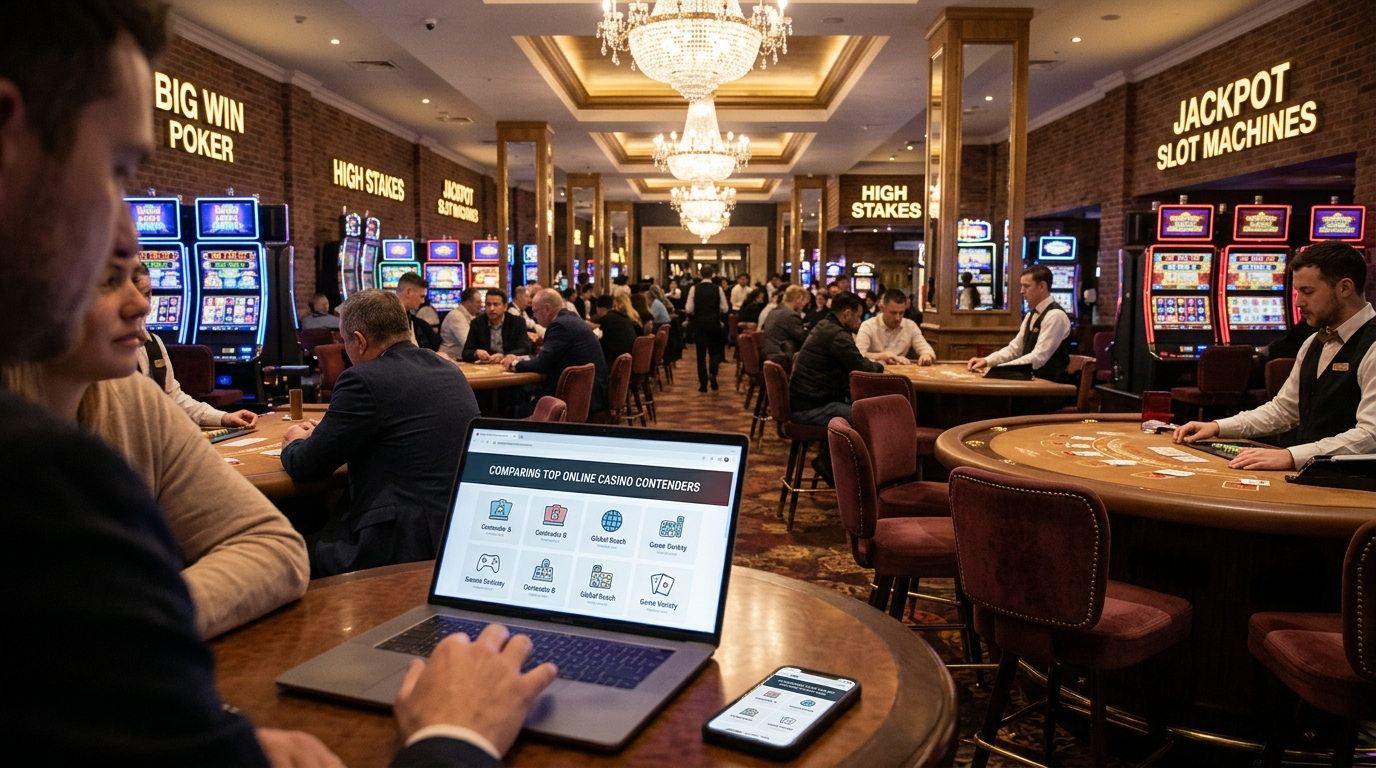
The biggest online casino in the world is difficult to name with certainty, because operators report revenue, player numbers, and licensing in different ways. This guide compares market leaders by revenue and reach, explains which licensing bodies set the standards, and examines security, responsible gambling tools, and the legal status of online casinos in Thailand and other markets for Thai readers and international players.
The biggest online casino in the world: Who Leads the Market Today
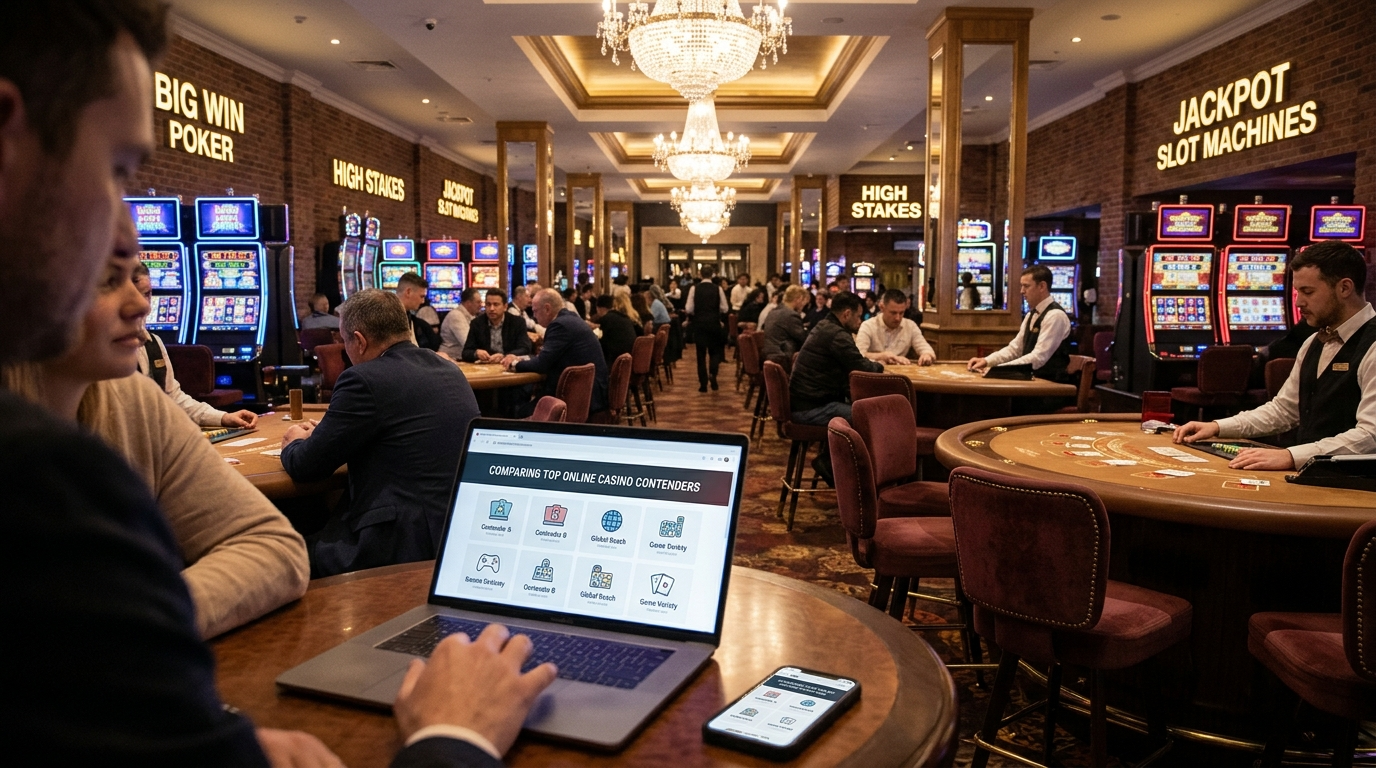
Why No Official Ranking Exists for the Biggest Online Casino
No single authority publishes an official list of online casinos ranked by size. Regulators issue licenses, but they rarely release revenue figures for each operator. Companies also guard their financial data closely.
As a result, anyone naming a market leader relies on estimates. Analysts combine public filings, press releases, and market research reports. Their figures often differ widely.
Leading Online Casino Platforms by World Revenue
Several large groups dominate global online gambling. Industry analyses frequently name the following operators:
- bet365: A privately held UK-based group known for high player volumes across casino and sports betting.
- Flutter Entertainment: A publicly listed company behind brands such as FanDuel and Sky Bet, with revenue spread across many markets.
- Entain: A listed group with brands including bwin and Coral, active in Europe and emerging regions.
- Software providers: Companies such as Evolution and Playtech power many casino sites, so their reach is hard to separate from the operators that use them.
Therefore, the “largest” label depends on which metric you prioritize.
Caveats When Comparing Private Online Casino Operators in the World
Privately held companies rarely disclose full financial results. For example, bet365 shares limited information, so its position relies on third-party estimates. Listed companies publish more data, but they often combine casino income with sports betting. This makes casino revenue difficult to isolate.
Keep these limitations in mind:
- Mixed revenue streams: Many groups report sports betting and casino games together.
- Registered accounts, not active users: Player reach figures often count sign-ups, which may include inactive profiles.
- Currency and timing differences: Reports use different currencies and reporting periods.
- Short shelf life: Estimates can become outdated within months.
Tips for Evaluating Market Leaders
Use these best practices when reviewing any ranking:
- Check the date and source of every figure.
- Compare gross gaming revenue rather than total deposits.
- Confirm the license holder behind each brand.
- Cross-check multiple sources before trusting a single ranking.
How Market Size and Online Casino Revenue in the World Are Measured
Gross Gaming Revenue vs. Net Gaming Revenue
Analysts measure online casino revenue with two main figures. The first is gross gaming revenue (GGR). It equals total player bets minus the winnings paid back to players.
For example, a player places $1,000 in bets over a week and wins $900 back. The operator’s GGR from that player is $100.
Net gaming revenue (NGR) goes a step further. It takes GGR and subtracts bonuses, promotions, and refunds. As a result, NGR is usually lower than GGR.
Why the difference matters:
- GGR shows how much money flows through the games.
- NGR shows what the operator keeps after promotional costs.
- A large gap between the two often signals heavy marketing spending.
Tip: Confirm which metric a report uses before comparing two operators.
Tracking Active Players Accurately
Player numbers are another common measure. However, “active player” has no universal definition. Each operator sets its own rules.
Some companies count a player as active after a single login within 30 days. Others require at least one real-money wager in that period. Consequently, one operator may report far more active users than another, even with similar activity.
Common definitions include:
- Monthly active players (MAP): unique accounts with at least one wager in a month.
- Daily active users (DAU): unique accounts that played on a given day.
- Registered accounts: total sign-ups, which often include inactive users.
Registered accounts reveal the least about real market size. A large sign-up base can hide a small group of paying customers.
Using Regulator Reports and Industry Data Wisely
Government regulators publish some of the most reliable figures. Examples include the UK Gambling Commission and the Malta Gaming Authority. These bodies often require licensed operators to file audited financial data.
Still, no single source tells the full story. Regulators only track the markets they license. Therefore, offshore and unlicensed operators often remain absent from official statistics.
Best practices for evaluating figures:
- Compare data from at least two independent sources.
- Check the reporting period and currency used.
- Note whether totals include sports betting or lotteries, or only casino games.
- Treat market research estimates as approximate ranges, not exact facts.
- Record the publication date, since online gambling markets change quickly.
Comparing the Contenders for the biggest online casino in the world

Comparing the leading operators means looking beyond headline size. Each contender excels in different areas. A fair comparison therefore focuses on three factors: scale, game content, and accessibility.
Scale and Brand Reach of the Biggest Online Casino in the World
Large operators usually hold licenses in multiple regions across Europe, Asia, and Latin America. For example, bet365 runs casino and sportsbook products in many countries. Flutter Entertainment, which owns brands such as Paddy Power and Sky Bet, also operates in several regulated markets.
Reach depends heavily on local licensing. A brand that is popular in one country may be unavailable in another. Consequently, a large global footprint does not guarantee access for every player.
Product range matters as much as size. Strong contenders typically offer:
- Thousands of slot titles
- Classic table games like blackjack, roulette, and baccarat
- Live dealer studios with real-time streaming
- Sports betting and poker within one account
Game Providers and Live Casino
Game suppliers shape the player experience. Studios such as Pragmatic Play, NetEnt, and Play’n GO supply many popular slots. Operators that partner with several top studios usually deliver more variety.
Live casino quality deserves close attention. When comparing platforms, check:
- Studio quality: Clear video and professional dealers
- Table limits: Options for both small and high budgets
- Game variety: Access to game shows and niche variants
- Stream stability: Smooth play on slower connections
Mobile Availability and Payment Methods in the Online Casino World
Mobile devices now drive much of online casino traffic. Leading platforms offer native apps or responsive browser sites. However, app availability varies by country, so verify it before signing up.
Payment options also differ widely. Common choices include:
- Debit cards and bank transfers
- E-wallets such as Skrill and Neteller
- Prepaid vouchers
- Cryptocurrency, where permitted
Withdrawal speed and fees matter as much as deposit options. As a result, many experienced players recommend testing a small withdrawal first. This reveals real processing times before larger sums are at stake.
Licensing and Regulation: Who Governs Online Casinos in the World
Major Licensing Authorities
Every legitimate online casino needs a licence from a government-backed regulator. The regulator sets the rules, inspects operators, and handles player complaints. Some authorities are known for strict standards.
- UK Gambling Commission (UKGC): Requires player funds to be kept separate from company funds. It also enforces anti-money laundering checks and independent testing of games.
- Malta Gaming Authority (MGA): Licenses a large share of European operators. Its rules cover audited random number generators and mandatory responsible gambling policies.
- Gibraltar Gambling Commission: Focuses on consumer protection and clear dispute resolution procedures.
- New Jersey Division of Gaming Enforcement: Regulates online casinos in the United States. It runs background checks on owners, key staff, and software suppliers.
Each licence comes with conditions. Operators must report regularly, keep accurate records, and follow advertising rules. Breaking these conditions can lead to fines or licence suspension.
Offshore Versus Onshore Licensing
Onshore licences are issued by the regulator in the country where players live. For example, a casino serving British players with a UKGC licence is onshore. These operators follow local laws and usually face higher taxes.
Offshore licences come from jurisdictions outside the player’s home market. A site licensed only in Curaçao is offshore. Standards vary widely, and some offshore regulators offer weaker complaint handling.
As a result, onshore licences generally provide stronger protection. However, offshore operators may still be reputable. The key is checking the regulator’s track record rather than assuming quality.
How to Verify a Casino Licence
Scammers often copy licence logos, so always verify directly. Follow these steps:
- Find the licence number in the website footer or terms page.
- Visit the regulator’s official website and search its public register.
- Confirm the company name matches the legal entity shown in the terms.
- Check the licence status for suspensions, sanctions, or expiry dates.
- Test the seal. A genuine seal should lead to the regulator’s own page, not a copy.
Tip: If the casino refuses to share its licence details, treat that as a red flag. Legitimate operators display this information openly.
Legal Status of Online Casinos in Thailand and Other Markets

Gambling laws differ widely from one country to another. Players should check local rules before creating an account on any site. These laws decide which operators are legal, how they are taxed, and what protection players receive.
Current Gambling Restrictions in Thailand
Thailand takes a strict approach to gambling. The Gambling Act B.E. 2478 (1935) prohibits most forms of betting and casino operation. Online casinos fall under the same ban.
Key points include:
- Operating an online casino is illegal for local and foreign companies targeting Thai users.
- Playing on unlicensed foreign sites can also create legal exposure, although enforcement focuses mainly on operators and agents.
- Advertising gambling services can lead to criminal penalties.
Moreover, public debate continues about licensed integrated resorts with land-based casinos. However, these proposals have not created a regulated online market. As a result, no Thai operator can legally offer online casino games today.
How Other Countries Regulate and Tax Online Gambling
Many countries now license online casinos. Regulators set rules for fairness, advertising, and player protection. For example, these authorities often require regular audits of game software.
- United Kingdom: The Gambling Commission issues operator licenses under the Gambling Act 2005.
- Malta: The Malta Gaming Authority licenses many international operators.
- Sweden: The Spelinspektionen regulates online casinos, and operators pay a gaming tax on revenue.
- Germany: The Joint Gambling Authority of the States (GGL) issues licenses for online casinos.
- United States: Rules vary by state. New Jersey, Pennsylvania, and Michigan allow licensed online casinos.
Tax models also differ. Some countries tax gross gaming revenue, while others tax operator profits. In addition, some governments raise rates over time to increase public income.
Risks of Unlicensed and Foreign-Based Sites
Unlicensed sites carry real dangers. Players often have little recourse when problems arise.
Common risks include:
- No legal protection: Unlicensed operators are not bound by independent fairness audits.
- Withdrawal problems: Winnings may be delayed, frozen, or never paid.
- Data theft: Weak security can expose personal and banking details.
- Payment blocks: Banks may reject or reverse transactions linked to gambling.
- Legal exposure: Players in prohibited markets may face fines or investigation.
Best practices for safer play:
- Verify the license number on the operator’s website with the issuing regulator.
- Avoid sites that hide ownership or licensing details.
- Read withdrawal terms before making any deposit.
- Use strong, unique passwords and enable two-factor authentication.
Security, Fair Play, and Fraud Risks
Encryption and Account Protection
Reputable online casinos protect player data with SSL or TLS encryption. Check for a padlock icon and an address that begins with “https.” However, encryption alone does not secure your account.
Players can strengthen their own protection by following a few simple habits:
- Create a unique password of at least 12 characters.
- Enable two-factor authentication whenever the platform offers it.
- Avoid public or shared devices for logging in.
- Never reuse passwords from email or banking accounts.
For example, a player who reuses an email password may find that criminals also access their casino balance.
Independent Testing of Random Number Generators
Fair play depends on random number generators (RNGs). These algorithms determine slot results, card shuffles, and dice rolls. Independent testing laboratories, such as eCOGRA, iTech Labs, and GLI, examine RNG output for randomness and accuracy.
Certified casinos usually display seals in the site footer. Verify that the certificate is current and matches the operator’s name. Moreover, many games publish their return-to-player (RTP) percentage in the game information screen, which provides another transparency check.
Common Scams and Fraud Risks in the Online Casino World
Online gambling attracts several types of fraud:
- Fake casino sites that copy legitimate brands and never pay withdrawals.
- Phishing emails offering bonuses while requesting login details.
- Account takeovers, where criminals change details and drain balances.
- Money laundering schemes, which move illicit funds through deposits and quick withdrawals.
Warning Signs to Watch For
Therefore, players should recognize red flags before depositing money:
- No verifiable licence, or a licence number that the regulator cannot confirm.
- Bonuses that seem too generous, often with impossible wagering terms.
- Requests for passwords or verification codes through chat or email.
- Repeated withdrawal delays, especially when new fees appear.
- Consistent complaints about unpaid winnings in independent reviews.
Best practice: Request a small test withdrawal before depositing larger amounts. A legitimate operator processes it smoothly. As a result, you gain confidence without risking significant funds.
Responsible Gambling Tools and Protection for Minors
Deposit Limits, Timers, and Self-Exclusion
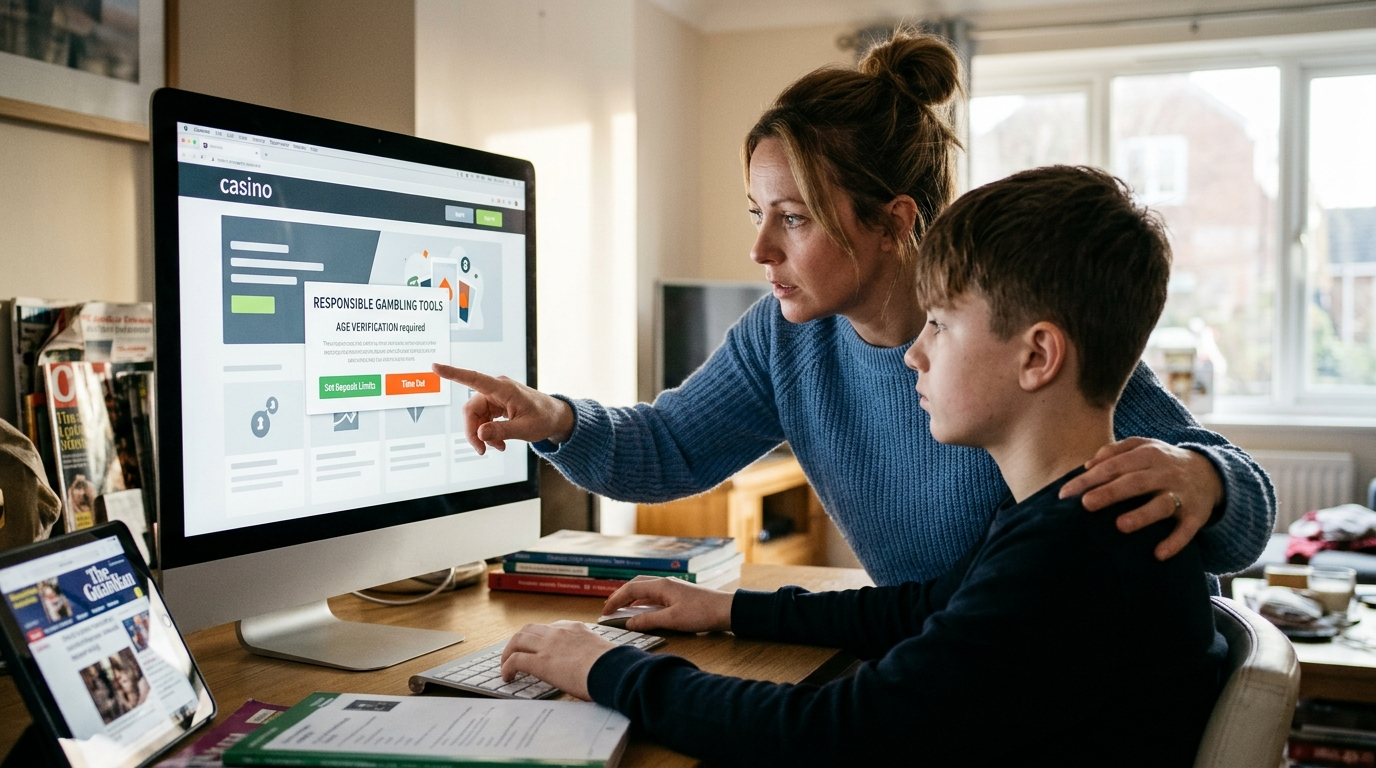
Responsible operators give players direct control over spending and playing time. Most of these tools sit in the account settings.
- Deposit limits: Players set daily, weekly, or monthly caps. For example, a player might limit deposits to 100 USD per week.
- Session timers: Pop-up reminders show how long a player has been active. Some sites force a break after a set period.
- Loss limits: Players can cap net losses within a chosen timeframe.
- Self-exclusion: Players block their own access for six months, one year, or permanently.
Moreover, many platforms offer cooling-off periods. Therefore, a player can pause for 24 hours after a losing streak. Tip: Set limits before you start playing, not after a loss.
Age Checks and Access Controls for Minors
Minors are legally barred from online gambling in almost every jurisdiction. However, weak checks still allow some teenagers to slip through. Strong platforms rely on several layers of protection.
- Identity verification: Operators check government-issued ID before opening a full account or processing a withdrawal.
- Date-of-birth screening: Sign-up forms reject users below the legal age.
- Payment checks: Card and e-wallet data can help confirm the account holder is an adult.
- Device controls: Parents can use filtering software to block gambling sites.
In addition, parents can ask their bank to block transactions tagged as gambling. As a result, a teenager cannot fund an account using a parent’s card. This simple step reduces risk considerably.
Help Programmes for Problem Gamblers
Support services help players who have already lost control. Many countries fund free helplines and counselling programmes.
- Helplines: Confidential phone or chat support connects players with trained advisers.
- Self-assessment tests: Short quizzes help players judge whether their habits have become risky.
- Counselling and peer groups: Clinics and support groups provide long-term recovery help.
For example, a player who feels unable to stop should contact a helpline immediately. Consequently, they gain access to professional guidance without judgment. Because online gambling is restricted in Thailand, local players should turn to national health or mental health services. Official government resources offer the most reliable support.
Key Takeaways on the biggest online casino in the world
Biggest Online Casino Leaders and the Limits of Size
Size shows who earns the most money. It does not show who treats players best. Large operators often lead in revenue, player numbers, and brand recognition. However, revenue can depend on a small group of high-spending players rather than broad player trust.
For example, a platform may report huge turnover while facing repeated fines for weak player protection. Therefore, always weigh market size against compliance records and complaint history.
Checklist for Evaluating Any Online Casino
Use this checklist before you deposit money:
- Valid license: Confirm that a recognized regulator oversees the operator.
- Independent audits: Look for certified testing of random number generators and payout rates.
- Clear terms: Withdrawal limits, bonus wagering rules, and fees should be easy to find.
- Secure payments: Check for encrypted connections and transparent payment methods.
- Responsible gambling tools: Deposit limits, self-exclusion, and session reminders should be available.
- Identity checks: The site should verify your age and identity before paying out.
Tip: Make a small test deposit first. In addition, request a small withdrawal to confirm that cash-outs work smoothly.
Finding Reliable Information
Good sources help you verify claims. Consider these options:
- Gambling regulators in the operator’s licensing jurisdiction
- Independent testing laboratories that publish certification reports
- Consumer protection agencies in your own country
- Gambling-support organizations that offer counseling and self-assessment tools
Moreover, check whether your local law allows online gambling. For example, Thai residents should review official government guidance, because online casino operation and access raise legal concerns there. As a result, confirming local rules is your first step.
Final Thoughts
Market size is one signal, not a guarantee of safety. Licensing, fair play, and player protection matter more. Combine the checklist with independent sources before choosing any platform. Keep your budget firm, and stop playing when it stops being fun. To compare one platform’s current offer against these criteria, See the offer here.
Thank you for reading our guide about biggest online casino in the world.
Frequently Asked Questions
Why can’t anyone name the biggest online casino in the world with certainty?
No official authority publishes a ranking of online casinos by size. Regulators issue licenses but rarely release revenue figures for individual operators, and companies keep their financial data private. Analysts therefore combine public filings, press releases, and market research to estimate market positions, and their estimates often differ widely. Many large groups also report casino and sports betting revenue together, which makes casino income hard to isolate. For these reasons, any claim about the largest operator should be treated as an estimate that depends on the metric used, such as gross gaming revenue, active players, or brand reach.
What is the difference between gross gaming revenue and net gaming revenue?
Gross gaming revenue (GGR) equals total player bets minus the winnings paid back to players. For example, if a player wagers $1,000 and wins $900 back, the operator’s GGR from that player is $100. Net gaming revenue (NGR) goes further by subtracting bonuses, promotions, and refunds from GGR, so it is usually lower. GGR shows how much money flows through an operator’s games, while NGR shows what the operator actually keeps after promotional costs. A large gap between the two often signals heavy marketing spending. Always confirm which metric a report uses before comparing two operators.
Is online casino gambling legal in Thailand?
Online casino gambling is not licensed for Thai residents under current Thai law. Gambling in Thailand is broadly restricted under the Gambling Act of 1935, and offshore websites that accept Thai players operate outside any domestic licensing framework. Discussions about legalizing casino resorts have taken place, but these debates concern physical venues and have not created a legal route for Thai players to join foreign online casinos. Players who use unlicensed sites may face limited consumer protection, difficulty recovering funds, and possible legal consequences. Anyone considering online gambling should check the current rules with official sources or a qualified legal adviser before playing.
Which responsible gambling tools should players look for?
Reputable operators typically offer several protective tools. Deposit limits cap how much a player can add within a set period, such as daily, weekly, or monthly. Session time limits and reality checks remind players how long they have been playing and how much they have spent. Self-exclusion lets a player block access to an account for a fixed period or permanently. Some platforms also provide cooling-off periods, loss-limit settings, and links to support services. Players should also confirm that a site displays its license information and age verification measures, since these show whether the operator follows recognized standards. Using these tools early helps reduce the risk of harmful gambling habits.