Tag: color game sugal

  • Color Game Sugal Guide: How It Works, Odds & Safe Play

    Color Game Sugal Guide: How It Works, Odds & Safe Play

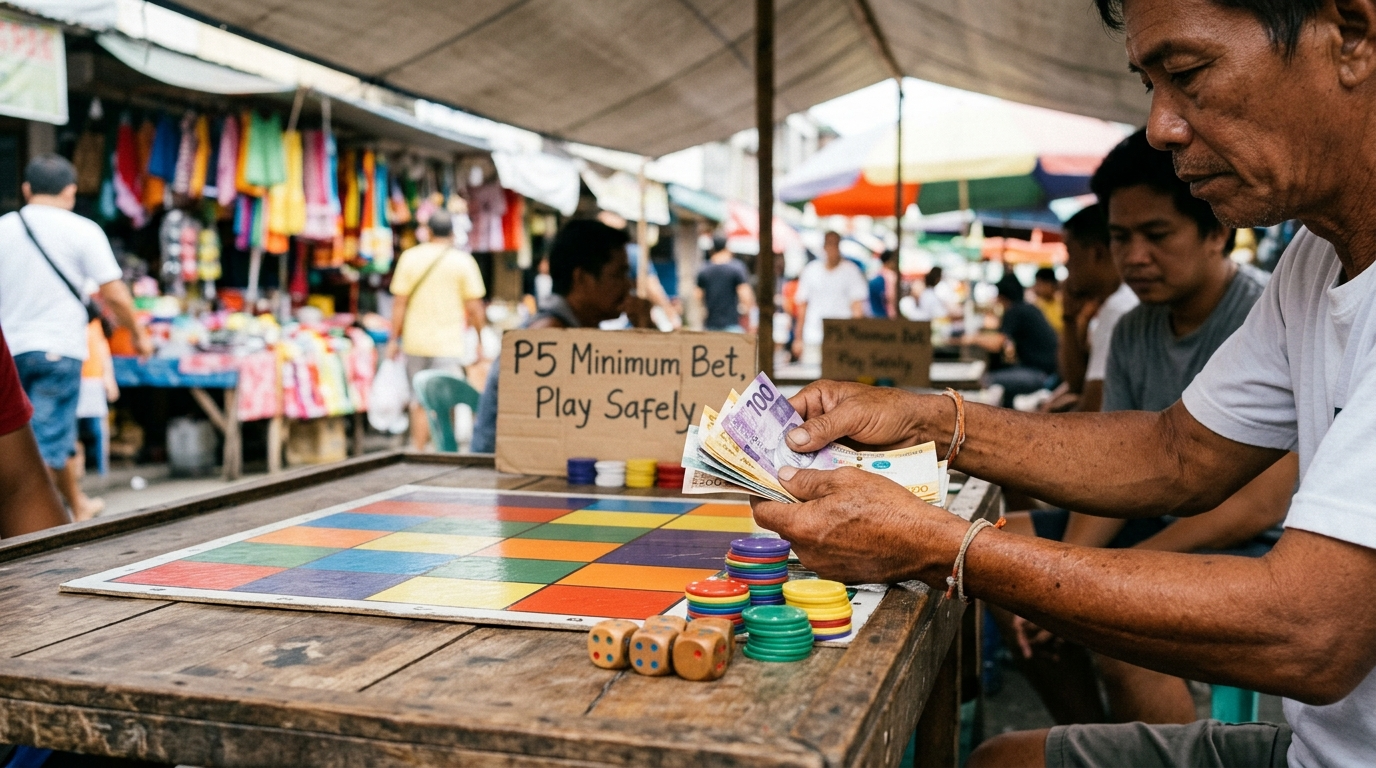
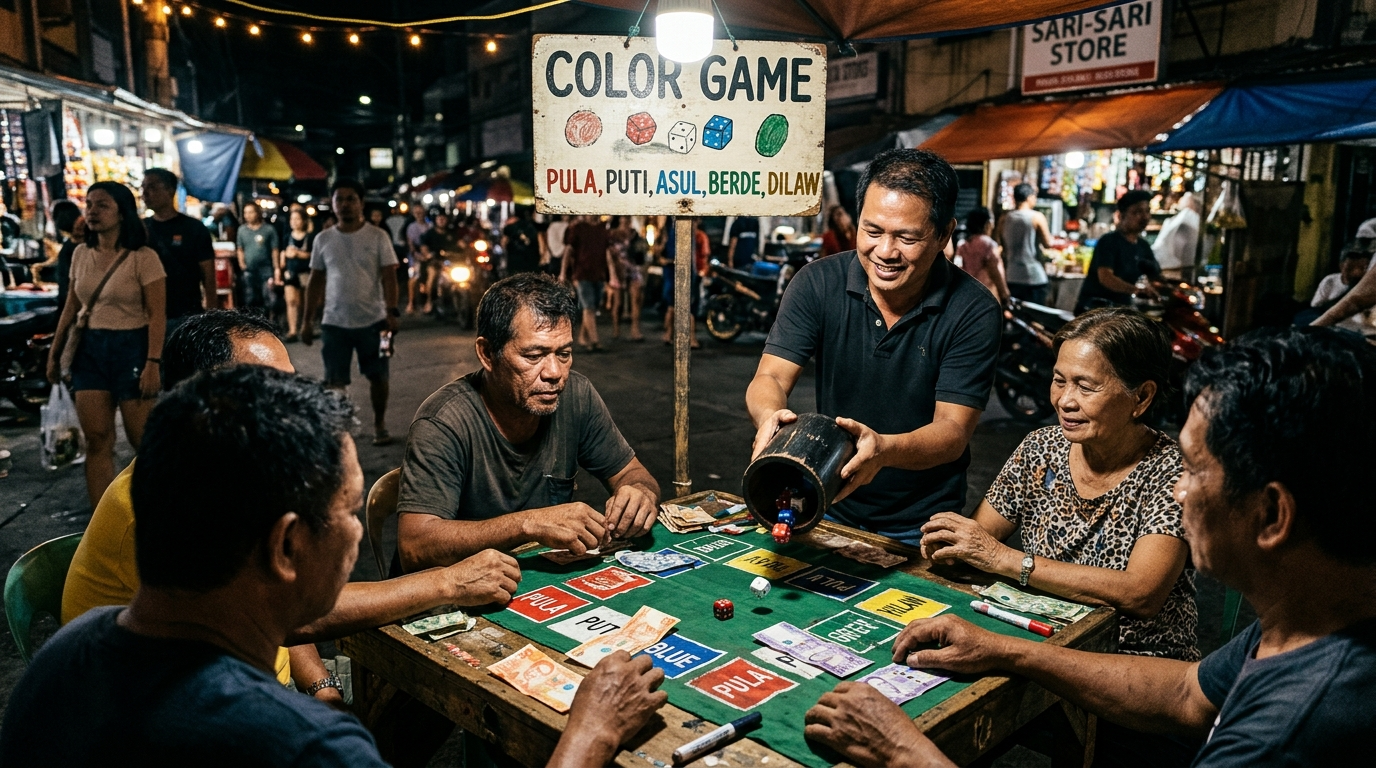
    The color game sugal is a popular betting game in the Philippines, where players wager on colors that are drawn or spun by a dealer or machine. Furthermore, its fast rounds and simple rules have made it a common pastime in neighborhoods, online platforms, and local gaming halls. Because it involves real money, it is important to understand how the game is structured, what the odds really mean, and which rules protect players. In addition, this guide explains the basics, the legal landscape, and practical steps for playing responsibly.

    What Is the Color Game Sugal and How Did It Become Popular?

    What Is the Color Game Sugal and How Did It Become Popular?

    Color game sugal is a fast, simple betting game built around colors instead of numbers. Players choose a color, place a wager, and wait for a random result. Moreover, its easy rules explain much of its popularity across the Philippines.

    Origins of the Color Game in Philippine Culture

    Filipinos have long enjoyed informal betting. Card games, cockfighting, and community raffles all share one thread: quick wagers among friends and neighbors. Thus, the color game grew out of this tradition.

    Early versions used simple props, such as a spinning wheel, drawn cards, or colored dice. Additionally, organizers kept the rules short so anyone could join within minutes.

    Over time, the game moved from neighborhood gatherings to town fiestas and market areas. As a result, its low entry cost made it accessible to ordinary families, which helped it spread quickly.

    How the Color Game Differs From Similar Games

    Many players confuse the color game with other popular betting games. However, a few key differences make it easier to tell them apart:

    • Lotto: Lotto depends on number combinations drawn in official, regulated draws, while the color game uses color outcomes and usually settles faster.
    • Bingo: Bingo requires players to match numbers on a card over a longer session. Color bets typically resolve in a single round.
    • Dice games: Dice games often involve multiple symbols or totals. The color game focuses on one simple choice.

    For example, a player who bets on red wins only if red appears. A bingo player, by contrast, may wait through many calls before completing a card.

    Where the Color Game Is Played Today

    The game appears in three main settings. Each one, however, offers a different experience:

    1. Local venues: Sari-sari stores, computer shops, and neighborhood gathering spots.
    2. Online platforms: Mobile apps and websites that accept e-wallet deposits.
    3. Community events: Fiestas, barangay celebrations, and holiday gatherings.

    In addition, online access has changed how people play. Players can now join from home at any hour. However, this convenience also makes it easier to spend money without noticing.

    Tip: Set a spending limit before you start. Treat your bets as entertainment, not income. Therefore, never wager money you need for bills or essentials.

    Color Game Basic Rules and Gameplay Flow

    Basic Rules and Gameplay Flow

    Knowing the basic rules helps you avoid mistakes before you place your first bet. The color game sugal is simple, but each platform may apply its own version of the rules. Finally, always read the instructions shown on your screen.

    Available Colors and How Bets Are Placed

    Most versions use a small set of colors. Common options include:

    • Red
    • Green
    • Violet

    Some versions link colors to numbers, usually from 0 to 9. Thus, the winning result determines which color pays out.

    To place a bet, follow these steps:

    1. Select a color on the game screen.
    2. Enter your bet amount.
    3. Confirm the bet before the timer runs out.

    For example, you might place ₱100 on green. If green wins and the payout is 2x, you receive ₱200. Payout rates vary by operator; therefore, check the payout table before betting.

    How a Round Runs From Betting to Result

    Each round follows a predictable sequence. First, the betting window opens with a countdown timer. Additionally, players can add or change their bets during this time.

    Next, the window closes. The system stops accepting wagers, and the result is generated. Finally, winning bets are paid automatically to your balance.

    A typical round moves through these stages:

    1. Betting opens: The timer starts counting down.
    2. Betting closes: No new wagers are accepted.
    3. Result is revealed: The winning color or number appears.
    4. Payouts are credited: Winnings are added to your account.

    Tip: Watch the timer carefully. Moreover, bets submitted near the deadline may fail if the window closes first.

    Key Terms: Payouts, House Edge, and Bet Limits

    Understanding a few key terms helps you judge any game more accurately.

    • Payout: The amount returned for a winning bet, usually shown as a multiplier such as 2x.
    • House edge: The built-in advantage the operator keeps over time. A higher house edge means lower expected returns for players.
    • Bet limits: The minimum and maximum amounts you can wager in one round.

    For example, if a game sets a minimum bet of ₱10 and a maximum of ₱5,000, you cannot wager outside that range. Additionally, bet limits help platforms manage risk.

    Best practices:

    • Review the game’s information or help section before playing.
    • Compare payout rates across platforms.
    • Bet only amounts you can afford to lose.

    Understanding Color Game Odds, Payouts, and House Edge

    Calculating Color Game Outcome Probabilities

    Every color outcome has a measurable chance of appearing. You can find it with a simple formula:

    Probability = Favorable outcomes ÷ Total possible outcomes

    For example, if a game uses three equal colors, each color has a 1 in 3 chance, or about 33.3%. In contrast, if a color appears on only 2 of 10 slots, its chance drops to 20%.

    Tip: Confirm how many outcomes the game uses before you bet. Operators do not always publish this clearly; therefore, ask for the full color distribution.

    Why Advertised Payouts Differ From Real Returns

    Advertised payouts tell you what you win per peso. They do not, however, tell you what you can expect to keep over time. Fair odds and paid odds are rarely the same.

    Here is how the gap works:

    • Fair payout for a 1-in-3 outcome: 3x your stake (you win 2x profit).
    • Advertised payout in many games: 2.5x your stake.
    • The difference is the house edge, which the operator keeps over time.

    Therefore, a higher multiplier does not always mean better value. Furthermore, you must compare the multiplier against the true probability.

    Expected Value Examples

    Expected value (EV) shows your average result per bet over many rounds. Use this formula:

    EV = (Chance of winning × Net win) − (Chance of losing × Stake)

    Example 1: Paid at 2.5x

    • Bet: ₱100 on a color with a 1/3 chance
    • Net win if you win: ₱150
    • EV = (1/3 × ₱150) − (2/3 × ₱100) = ₱50 − ₱66.67 = −₱16.67 per bet
    • House edge: about 16.7%

    Example 2: Paid at 3x

    • Net win if you win: ₱200
    • EV = (1/3 × ₱200) − (2/3 × ₱100) = ₱66.67 − ₱66.67 = ₱0
    • Therefore, this is a fair game with no built-in edge.

    Example 3: Ten rounds at 2.5x

    • Expected loss: 10 × ₱16.67 = about ₱166.70
    • Short-term results vary widely, but the average trends toward this loss.

    Best practices:

    • Calculate EV before you place any bet.
    • Compare payout multipliers against true probabilities.
    • Treat the house edge as the cost of playing, and budget accordingly.

    Is the Color Game Sugal Legal in the Philippines?

    Is the Color Game Sugal Legal in the Philippines?

    Whether this game is legal in the Philippines depends on who runs it. The game itself is not automatically illegal, but operators must hold proper authority to offer it.

    PAGCOR and Other Regulators

    The Philippine Amusement and Gaming Corporation (PAGCOR) is the main gambling regulator. It licenses casinos, bingo operations, and online gaming platforms that accept bets from Filipino players.

    Other bodies also share responsibility:

    • CEZA (Cagayan Economic Zone Authority): Licenses gaming operations within its special economic zone.
    • Local government units: Can pass ordinances that restrict or ban gambling in their areas.
    • Law enforcement and courts: Act against illegal gambling and unlicensed operators.

    A license from one regulator does not cover every activity. Therefore, a player should confirm that the specific operator holds valid authority.

    Legal Versus Unlicensed Operators

    Licensed operators must meet strict standards. They submit to audits, use fair-play certifications, and maintain proper systems for handling player funds. In contrast, unlicensed operators skip these safeguards, which leaves players exposed.

    Common warning signs include:

    • No license number, or a license number that cannot be verified
    • Promises of guaranteed wins or unrealistically high returns
    • Requests to deposit into personal e-wallets or private bank accounts
    • Long withdrawal delays or sudden account freezes

    Checking Licensing Status

    Follow these steps before you deposit any money:

    1. Find the license number in the website or app footer.
    2. Verify it on PAGCOR’s official website using its published list of licensees.
    3. Confirm the company’s registration with the Securities and Exchange Commission.
    4. Search for complaints in reputable news sources and consumer forums.

    For example, if an app claims a PAGCOR license but does not appear in the official list, treat it as unlicensed.

    Age Limits and Local Ordinances

    Gambling in the Philippines is restricted to adults. PAGCOR rules generally set the minimum age at 21 for casino entry and most gaming activities. Therefore, always check the platform’s age requirement before you register.

    Local ordinances matter too. Some cities and municipalities ban certain games or limit operating hours. Although a game may be permitted nationally, it may still be restricted where you live. As a result, check your local government’s rules before playing or promoting these games.

    Spotting Scams and Unlicensed Color Game Operators

    Scams often hide behind popular titles like the color game sugal. Knowing the warning signs protects your money and personal information. Therefore, run these checks before you deposit any funds.

    Red Flags of Unlicensed Operators

    Fraudulent platforms tend to show the same warning signs. Watch for these patterns:

    • Guaranteed wins: No game can promise profits. Any site claiming “sure win” results or secret formulas is misleading you.
    • Unverifiable results: Legitimate platforms explain how results are generated. Fake operators display outcomes that no one can audit.
    • Pressure to deposit: Messages like “only three slots left” or “deposit now to claim your bonus” push players into rash decisions.
    • Missing license details: Licensed operators display their regulator’s information clearly. Missing or invalid license numbers are a major red flag.

    For example, a site that shows a gaming seal but cannot produce a license number deserves suspicion. Therefore, always verify credentials directly with the regulator instead of trusting the website.

    Protecting Your Data on Betting Platforms

    Scammers value personal and payment information. Guard it carefully on any gaming platform.

    • Never share one-time passcodes, PINs, or passwords, even with “support agents.”
    • Avoid sending money to personal e-wallet accounts belonging to individuals.
    • Use unique passwords and enable two-factor authentication where available.
    • Do not upload IDs to unverified websites or social media chats.

    In addition, confirm that the site uses a secure connection. Look for “https” in the address bar and a clear privacy policy. As a result, you lower the risk of identity theft and unauthorized charges.

    Reporting Scam Operators to Authorities

    If you suspect fraud, act quickly. Follow these steps:

    1. Stop depositing funds immediately.
    2. Save evidence, including screenshots, chat logs, receipts, and account numbers.
    3. Contact your bank or e-wallet provider to report unauthorized transactions.
    4. Report to PAGCOR if the operator claims a license or uses its name without approval.
    5. File a complaint with the PNP Anti-Cybercrime Group or the NBI Cybercrime Division for online fraud.
    6. Share your experience in community forums, but stick to facts and avoid unverified accusations.

    Consequently, authorities can spot patterns and act faster. Keep copies of every report and reference number you receive.

    Responsible Play Tips for Color Game Sugal Players
    Responsible Play Tips for Color Game Sugal Players

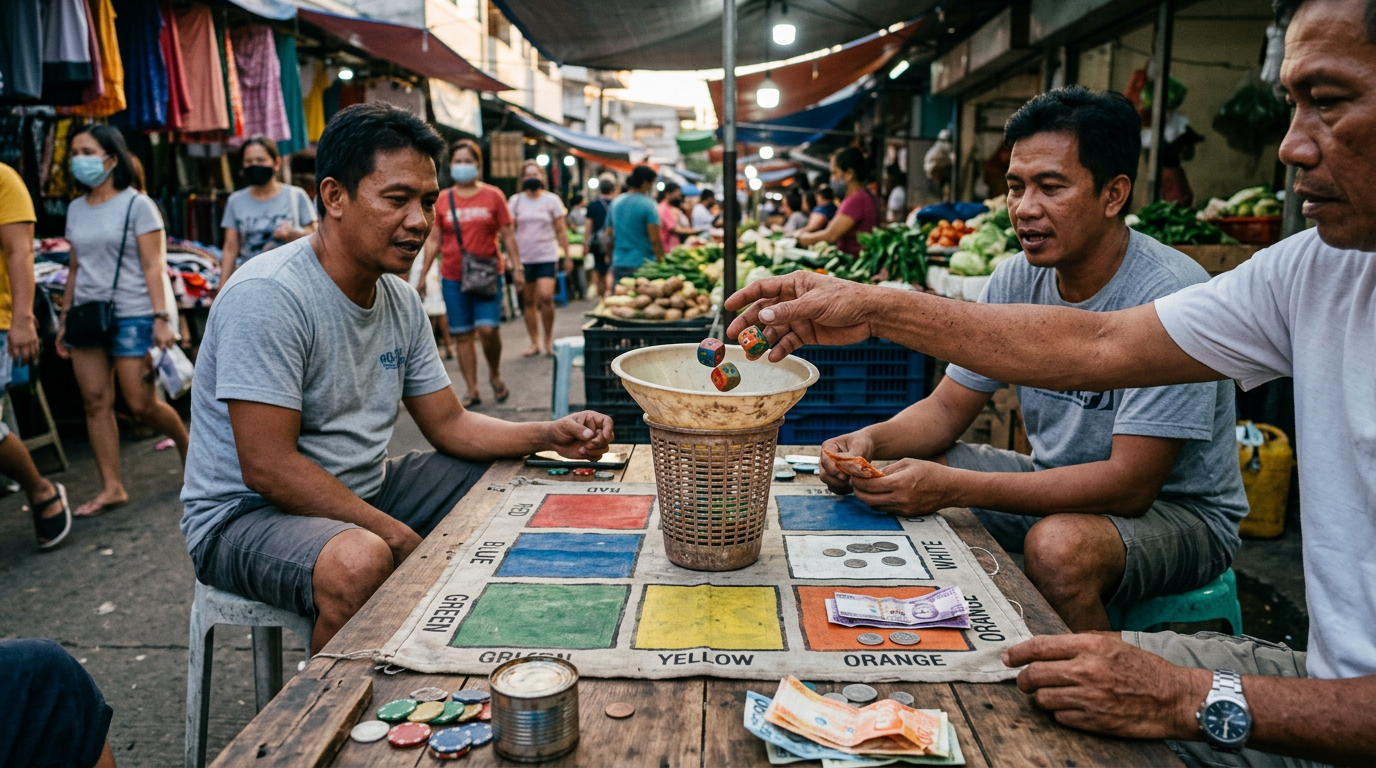
    Playing responsibly keeps the experience fun and protects your finances and well-being. In addition, the tips below can help you stay in control.

    Set a Fixed Color Game Budget and Stick to It

    Decide how much you can afford to lose before you place your first bet. Instead, treat that amount as entertainment spending, not money for bills or savings.

    Practical steps:

    1. Calculate a monthly limit. For example, if you spend ₱500 on entertainment each month, that is your maximum.
    2. Split it into smaller sessions. Use ₱100 per session instead of spending the full amount at once.
    3. Use separate funds. Keep gaming money in a different e-wallet or account from your daily expenses.
    4. Stop when the budget runs out. Do not reload your account to chase losses.

    Chasing losses is one of the most common mistakes players make. Moreover, it often leads to bigger losses in a short time.

    Recognize Warning Signs of Problem Gambling

    Problem gambling can affect anyone. Watch for these signs in yourself or in people you care about:

    • Spending more time or money than you planned
    • Feeling restless or irritable when trying to cut back
    • Borrowing money or selling belongings to keep playing
    • Hiding your gaming activity from family or friends
    • Using the game to escape stress, anxiety, or sadness

    Consequently, many players ignore early warnings until the damage grows. Therefore, check your habits regularly. Ask yourself whether gaming still feels enjoyable.

    Getting Help When You Need It

    If you notice these signs, do not wait. Several options are available in the Philippines:

    • Counseling services: Mental health professionals and licensed counselors can help you address the underlying causes of compulsive gambling.
    • Crisis hotlines: The National Center for Mental Health operates crisis lines that offer support for emotional distress.
    • Self-exclusion: Some licensed operators allow you to block your own account for a set period. Check with the operator or the regulator for available options.
    • Support groups: Peer groups give you a safe space to share experiences and build healthy routines.

    For example, a player who feels unable to stop might first block their accounts, then speak with a counselor about the urge to keep betting.

    Remember: Asking for help is a sign of strength, not failure.

    Common Myths and Misconceptions About the Color Game Sugal

    Many players believe myths about how this game works. These ideas sound logical, but they do not match how random outcomes behave. Thus, knowing the facts helps you play with realistic expectations.

    The “Due” Color Myth

    Many players think a color that has lost many rounds is “due” to win. This belief is known as the gambler’s fallacy. Furthermore, each round produces a fresh, independent result.

    For example, suppose blue has not appeared in ten rounds. A player may assume blue must come up soon. However, blue still has the same chance as every other color in the next round.

    Therefore, past results do not influence future ones. Consider these habits:

    • Treat every round as a separate event.
    • Avoid doubling your bet to “recover” previous losses.
    • Remember that long losing streaks happen by chance.

    Lucky Charms and Color Game Betting Patterns

    Some players trust lucky numbers, favorite colors, or patterns they spot on a results board. Random outcomes cannot be predicted this way. Short sequences often look like patterns, but they are usually coincidences.

    For instance, a player might see red win three times in a row and switch to red, expecting a fourth win. Nevertheless, the next result still follows the same random chance. Similarly, rituals, lucky items, or special timing do not change the outcome.

    Bet Size Does Not Reduce the House Edge

    Another common myth claims that betting larger amounts gives you better odds. In reality, the house edge comes from the payout structure. It does not shrink because you wager more.

    Consider a simple example. If the house edge is a fixed percentage, a small bet and a large bet both lose that percentage on average. A bigger stake only creates bigger swings in your results. Thus, larger wagers increase both possible wins and possible losses.

    Practical Habits to Replace Myths

    Replacing myths with clear rules protects your bankroll. Try these best practices:

    1. Set a budget before you start playing.
    2. Choose a fixed bet size and keep it consistent.
    3. Decide a loss limit and stop once you reach it.
    4. Take regular breaks to avoid emotional decisions.
    5. Never chase losses with bigger bets.

    Therefore, understanding these facts makes the game easier to enjoy responsibly. If you want to explore the game with a clear, informed mindset, Learn more here.

    Thank you for reading our guide about color game sugal.

    Frequently Asked Questions

    What is the color game sugal and how is it played?

    The color game sugal is a fast betting game in which players wager on a color, such as red, green, or violet, and wait for a random result. Each round usually follows the same sequence. First, a betting window opens with a countdown timer. Next, you select a color, enter your bet amount, and confirm it before the timer ends. Then the system closes betting and reveals the result. If your color wins, the payout is credited to your balance automatically. Because rounds resolve quickly, the game is simple to learn, even for first-time players. However, rules can differ between operators, so always read the on-screen instructions before placing a bet.

    How do payouts and odds work in the color game sugal?

    Payouts depend on the operator, so you should check the payout table before betting. For example, a ₱100 bet on green with a 2x payout returns ₱200 if green wins. Some versions link colors to numbers from 0 to 9, which means the winning result determines which color pays out. Keep in mind that every game includes a house edge, which means the operator keeps a long-term advantage. No strategy or pattern can guarantee wins, because each round is designed to be random. Understanding the odds helps you treat the game as entertainment rather than a reliable source of income.

    Is the color game sugal legal in the Philippines?

    Legality depends on who operates the game and whether they hold the proper authorization. In the Philippines, gaming operators are generally expected to be licensed by the national gaming regulator, PAGCOR, or to operate within a framework approved by the relevant authorities. Informal games at neighborhood gatherings or unlicensed online sites may fall outside these protections. Before you deposit money, look for clear licensing details, transparent terms, and a working customer support channel. If you cannot verify who runs a platform, it is safer to avoid it. Checking the rules yourself protects both your money and your personal information.

    How can I play the color game sugal responsibly?

    Responsible play starts with setting a spending limit before you begin and sticking to it. Only wager money that you can afford to lose, and never use funds meant for bills, food, or essentials. Take regular breaks, especially during long online sessions, because fast rounds can make it easy to lose track of time and spending. Avoid chasing losses by increasing your bets to recover what you have lost. If you notice that gaming is affecting your sleep, finances, or relationships, stop playing and seek support from a trusted person or a professional help service.



  • color game sugal: How It Works, Prices & Buying Tips

    color game sugal: How It Works, Prices & Buying Tips

    Color game sugal is a color-based wager game widely played across the Philippines, where participants bet on colors and watch a draw determine the outcome. However, many shoppers searching for this term find only thin product listings with no clear explanation of what the game includes, how it is played, or what it costs. Therefore, this guide fills those gaps. You will learn the core rules, what to look for in a physical set or digital version, realistic price ranges, and the age and legal considerations that apply in the Philippines. Finally, use it to make an informed decision before buying or playing.

    What Is color game sugal and How Did It Become Popular?

    What Is color game sugal and How Did It Become Popular?

    The color game is a fast, easy-to-learn wagering game. Players choose a color, place a bet, and wait for a random result. If their color appears, they win a payout based on their stake. In contrast, the bet goes to the house or the pool. In the Philippines, the word sugal means “gamble” in Tagalog, which reflects the game’s core nature.

    Core Concept Behind the Color Game

    First, the idea is simple. Each round produces a random color outcome, and players predict it. Because chance drives the result, skill matters less than bankroll control.

    Most versions share these elements:

    • Color selection: Players pick one or more colors.
    • Stake: Bets range from small amounts to larger sums.
    • Payout multiplier: Winning colors pay a set rate.
    • Result method: A spinner, dice, or random number generator decides the outcome.

    For example, a player who bets 100 pesos on red at a 2x payout receives 200 pesos if red appears. In addition, many versions let players spread bets across several colors in a single round.

    How Color Game Betting Took Root in Filipino Culture

    Color-based betting has long appeared at local fiestas, carnival booths, and neighborhood gatherings. Moreover, simple setups using colored cards or spinning wheels made it easy for crowds to join.

    Meanwhile, mobile technology changed the scene. Online platforms and messaging groups brought the game into homes. As a result, it reached players who never visited a physical table.

    Several factors drove its popularity:

    1. Low entry barrier: Anyone can understand the rules within minutes.
    2. Quick rounds: Results arrive in seconds or minutes.
    3. Social appeal: Friends often play together through group chats.
    4. Digital payments: E-wallets make deposits and withdrawals convenient.

    However, quick rounds can encourage impulsive betting. Therefore, responsible players set a spending limit before they start.

    Common Color Game Variations: Casino, Tabletop, and Digital

    Casino-style versions use large boards, chips, and a dealer. Players place chips on color zones while the dealer spins a wheel or rolls dice.

    Tabletop versions rely on simple materials like cards, dice, or a printed board. For instance, friends often play these at home or at small gatherings.

    Digital versions run through apps or websites. Moreover, they feature animations, live countdowns, and automatic payouts.

    Tip: Before joining any version, read the payout table. Additionally, check whether the platform clearly explains its odds and withdrawal terms.

    How to Play color game sugal: Step-by-Step Rules

    How to Play color game sugal: Step-by-Step Rules

    Learning the basic flow before you place any real bet helps you avoid costly errors. Most color game platforms follow a similar pattern, although exact details vary by operator.

    Setting Up the Color Game

    Before you play, prepare your account and your bankroll.

    1. Create and verify your account using accurate personal details.
    2. Check the game’s rules page for the available colors, bet types, and round timer.
    3. Set a fixed budget for the session and keep it separate from essential expenses.
    4. Load your balance using a payment method you already trust.

    Taking these steps first prevents rushed decisions later. For example, if your budget is ₱500, decide that amount before the first round begins.

    Placing Your Color Game Bets

    Most games let you choose one or more colors for each round. Bets must close before the draw starts. Check the countdown timer, because late bets are usually rejected.

    • Single-color bets pick one color and carry the highest payout.
    • Multiple-color bets cover more outcomes but usually pay less.
    • Bet amount is the stake you risk on that round.

    Smaller stakes reduce losses. Therefore, many beginners start with the minimum bet to learn the interface.

    Draw Rounds and Determining Color Game Winners

    Each round ends with a draw. The platform generates a result, usually a color or a combination, using its own random system. Thus, your bet wins only if your choice matches that result.

    Results appear on screen within seconds. Review the round history to confirm that your bet was recorded correctly. Finally, keep a record of your results so you can spot patterns in your own play.

    Color Game Payout Logic Explained

    Payouts depend on the bet type and the multiplier listed in the game rules. For example, a platform might pay 2x on a single-color win, meaning a ₱100 bet returns ₱200 in total, including your stake. Always confirm the exact multiplier before betting, because it differs between operators.

    However, no strategy guarantees consistent wins. The house sets odds to favor the platform over time.

    Common Color Game Beginner Mistakes to Avoid

    Several errors catch new players off guard:

    • Chasing losses by raising bets after a defeat.
    • Ignoring the timer and missing the betting window.
    • Assuming past results predict future ones. Each round is independent.
    • Skipping the rules page and misreading the payout structure.

    Set a stop-loss limit and a time limit before each session. Consequently, you protect your funds and keep the activity enjoyable.

    Components, Specifications, and Materials to Check Before Buying

    What a Complete Color Game Set Should Contain

    Before buying any color game sugal set, compare the listed contents with what you actually receive. Most complete sets include:

    • Playing mat or board: Shows all colors or symbols clearly, with readable labels.
    • Dice or color tiles: Usually three, all identical in size and weight.
    • Shaker cup or cage: Used to roll the dice fairly.
    • Betting tokens or chips: Enough for every player to place several bets.
    • Rules card: Explains setup, betting, and payouts.

    For example, a set with a mat but no dice is incomplete. You would need to buy the missing parts separately, which adds cost. Similarly, missing chips can also slow down a game night.

    Tip: Check the seller’s photos against the product description. However, some listings show accessories that are not included.

    Dimensions, Materials, and Build Quality

    Size and materials affect comfort, fairness, and durability. Look for these indicators:

    • Mat size: A mat large enough for all players to reach their bets without crowding is ideal.
    • Dice material: Solid plastic or resin feels heavier and rolls more evenly than hollow plastic.
    • Print quality: Colors should look sharp and should not rub off with light pressure.
    • Mat thickness: Laminated or vinyl mats resist tearing better than thin paper.
    • Edge finish: Sealed, smooth edges prevent peeling over time.

    Uneven dice weight can affect how the dice land, which makes the game feel unfair. Consequently, a cheap set can lose player trust quickly. In addition, confirm that the dice fit comfortably inside the shaker.

    Recommendation: Ask the seller for close-up photos or a short product video before purchasing.

    Age Suitability and Intended Use

    Choose your set based on who will play and where. Common categories include:

    • Party sets: Larger mats, more chips, and faster rounds suit groups of six or more.
    • Family sets: Simpler rules and lower bet limits work well for mixed-age groups.
    • Gift sets: Attractive packaging, complete contents, and a clear rules card make them easy to give.

    Always check the age rating on the packaging. For instance, small dice and chips can pose choking hazards for children under three. Therefore, avoid these sets for toddlers, even if the game looks simple.

    Pricing Guide and How to Buy color game sugal Safely Online

    Pricing Guide and How to Buy color game sugal Safely Online

    Prices for color game sugal items vary widely. Your final cost depends on the product type, the seller, and what is included. Therefore, compare several listings before you buy.

    Typical Price Ranges and Cost Factors

    Most listings fall into a few broad categories. However, the ranges below are illustrative, so check current listings before you decide.

    • Basic sets: Usually the lowest-cost option.
    • Premium or branded versions: Higher prices reflect better materials and packaging.
    • Digital access or downloads: Often priced by duration or features.

    Several factors also affect cost:

    • Build quality and materials
    • Brand reputation
    • Bundled extras, such as instructions or accessories
    • Shipping fees, especially for heavy or fragile items
    • Seller type, such as an official distributor versus a reseller

    For example, two identical items can differ by 30 percent once shipping is added. Therefore, always compare the final total, not the listed price.

    Verifying Seller Credibility and Reviews

    Trustworthy sellers build their reputation over time. Check these signals before you pay:

    1. Ratings: Look for consistent scores across many transactions.
    2. Review content: Read recent reviews that mention delivery and product quality.
    3. Business details: Legitimate sellers show clear contact information and a return policy.
    4. Response quality: Ask a question first. Slow or vague replies are a warning sign.

    However, reviews can be fake. Be cautious if many reviews use generic wording or appear within a short period. As a result, cross-check reviews on several platforms.

    Spotting Misleading Claims and Hidden Fees

    “Unbeatable price” claims often hide extra costs. Watch for these red flags:

    • Promises of guaranteed winnings or profits
    • Prices far below every other seller, with no explanation
    • Requests to pay only through personal e-wallets or bank transfers
    • Pressure to act “today” or lose the deal

    Hidden fees also appear at checkout. Review the full breakdown for:

    • Payment processing charges
    • Cash-on-delivery surcharges
    • Service or handling fees
    • Taxes or import duties on international orders

    Tip: Write down the item price plus every fee. Instead, compare these totals, not the headline prices.

    Safe Buying Checklist

    Follow these steps for a secure purchase:

    1. Use platforms that offer buyer protection.
    2. Pay through traceable methods.
    3. Save screenshots of listings, receipts, and chat messages.
    4. Never share passwords or one-time verification codes.
    5. Report suspicious listings immediately.

    Finally, confirm that the product is lawful where you live before you buy. Laws on prediction-based games can differ, so a quick check protects both your money and your rights.

    Delivery, Returns, and Buyer Protection in the Philippines

    Delivery, Returns, and Buyer Protection in the Philippines

    Typical Delivery Timelines Across the Philippines

    Delivery speed depends on your location and the seller you choose. When you order color game sugal sets online, expect faster arrival in major cities than in remote areas. Most orders within Metro Manila arrive in two to five days.

    Provincial deliveries often take five to ten days. Likewise, islands and hard-to-reach areas may need even longer.

    Common shipping options include:

    • Standard delivery: The lowest cost, usually three to seven business days.
    • Express delivery: Faster handling, often one to three days in major cities.
    • Meetup or store pickup: No shipping fee, but usually limited to local buyers.

    For example, a buyer in Cebu may wait longer than a buyer in Quezon City. Therefore, always check the estimated delivery date before paying.

    Return and Refund Policies to Review

    Read the return policy before placing your order. Many sellers accept returns only for damaged or incorrect items. However, some reject returns once the package has been opened.

    Look for these details:

    1. Return window: Commonly seven days from receipt.
    2. Proof required: Such as unboxing videos or clear photos.
    3. Return shipping fee: Confirm who pays for it.
    4. Refund method: Cash, store credit, or the original payment channel.

    Tip: Record an unboxing video from the moment you open the parcel. Thus, this evidence protects you if the item arrives damaged.

    Secure Payment Methods and Checkout Practices

    Choose payment options that include buyer protection. Cash on delivery (COD) lets you inspect the item before paying. In addition, many e-wallets and credit cards offer dispute channels.

    However, avoid direct bank transfers to unfamiliar sellers. Scammers often request payment outside official platforms.

    Follow these best practices:

    • Buy only from sellers with verified profiles and consistent reviews.
    • Confirm the website uses HTTPS before entering payment details.
    • Keep receipts, order numbers, and chat screenshots.
    • Never share your one-time passwords or PINs with anyone.

    As a result, you lower your risk of fraud and simplify any future claims.

    Filing a Buyer Protection Claim

    If a problem occurs, act quickly. First, contact the seller through the platform’s messaging system. Document every message in writing.

    If the seller does not respond, escalate the issue to the marketplace’s support team. Consumers may also file complaints with the Department of Trade and Industry (DTI) for unresolved disputes. Moreover, keeping organized records strengthens your case from start to finish.

    Legal, Age Restriction, and Responsible Play Guidelines

    Minimum Age Requirements

    Age is one of the first legal checks you should make before playing. In the Philippines, licensed gambling activities generally require players to be at least 21 years old. Likewise, this applies to casino games and most online platforms that hold PAGCOR licenses.

    Legitimate operators verify age before accepting deposits or placing bets. Common checks include:

    • Uploading a government-issued ID
    • Matching your birthdate during registration
    • Confirming identity before your first withdrawal

    Tip: Never create an account for someone under 21, and never share your login with a minor.

    PAGCOR’s Role in Regulation

    The Philippine Amusement and Gaming Corporation, or PAGCOR, is the government agency that licenses and regulates gambling in the country. Furthermore, it sets operating standards, monitors licensed operators, and handles player complaints.

    A licensed operator should display its license information clearly. Playing on unlicensed sites carries higher risk. For example, these platforms may not protect your deposits or offer a formal dispute process. Rules can change, so check PAGCOR’s official channels for current requirements.

    Responsible Play Tips

    Gambling should be entertainment, not a source of income. Build these habits from the start:

    1. Set a budget before you begin, and stop when it runs out.
    2. Set a time limit for each session.
    3. Never chase losses by betting more to recover money.
    4. Avoid playing when you feel stressed, upset, or under the influence.
    5. Keep records of deposits, withdrawals, and time spent.

    For example, if you plan to spend 500 pesos, treat that amount as the cost of entertainment. Do not expect to win it back.

    In addition, licensed operators often provide tools such as deposit limits, cooling-off periods, and self-exclusion. Use these features if you feel you need more control.

    Standard Gambling-Risk Disclaimer

    Playing color game sugal involves financial risk. Outcomes depend on chance, and you may lose some or all of your wager. Moreover, past results do not predict future outcomes. Therefore, only bet money you can afford to lose.

    If gambling starts affecting your finances, relationships, or work, seek help from a qualified counselor or support service.

    Before you play, confirm the platform’s license and your eligibility. When you are ready, See the offer here and compare options on a verified platform.

    Thank you for reading our guide about color game sugal.

    Frequently Asked Questions

    What is color game sugal?

    Color game sugal is a color-based wagering game popular across the Philippines. Players choose a color, place a stake, and wait for a random draw to decide the result. If their chosen color appears, they win a payout based on their bet and the game’s multiplier. If it does not, the stake goes to the house or the pool. The word “sugal” is Tagalog for “gamble,” which reflects the game’s core nature. Because the outcome depends on chance rather than skill, players should focus on budgeting and understanding the payout terms before they bet.

    How do I play color game sugal step by step?

    Start by creating and verifying your account, then read the game’s rules page to confirm the available colors, bet types, and round timer. Set a fixed budget for your session and load your balance using a payment method you trust. Next, select one or more colors before the countdown ends, since late bets are usually rejected. Enter your stake and confirm the bet. When the draw runs, check whether your color appears and review the payout. For example, a 100-peso bet on red at a 2x payout returns 200 pesos if red wins. Stop when your session budget runs out.

    What should I check before buying a color game sugal set or joining a digital version?

    For a physical set, check the materials, such as the board, chips, dice, or spinner, and confirm that all colors and components are included. For a digital version, review the payout table, the odds, and the withdrawal terms. Make sure the platform clearly explains how results are generated and how long payouts take. Read seller or operator reviews, and avoid listings that provide no description of what the game includes or how it works. Compare the total cost, including any shipping or deposit fees, before you commit to a purchase.

    Is color game sugal legal, and who is allowed to play it in the Philippines?

    Gambling in the Philippines is regulated, and operators are generally expected to hold the appropriate license from the relevant authority, such as PAGCOR for many gaming activities. Before joining any platform, verify that it is licensed and operating within the law. Minors are not allowed to gamble, so age verification is an essential part of any legitimate platform. Players should also practice responsible play by setting a spending limit, avoiding chasing losses, and never betting money they need for essential expenses. If gambling begins to cause financial or personal stress, it is wise to pause and seek support.


  • color game sugal Guide: Rules, Odds, Payouts and Safe Play

    color game sugal Guide: Rules, Odds, Payouts and Safe Play

    The color game sugal is a color-based betting game popular across the Philippines, often played at community gatherings and casual gambling sessions. Because outcomes depend entirely on chance, understanding how bets are placed, how payouts are calculated, and where the financial risks lie matters far more than any supposed winning method. Finally, this guide explains the basic rules, compares common betting formats, debunks widespread myths, and outlines practical limits that help players stay in control.

    What Is the color game sugal and How It Started

    What Is the color game sugal and How It Started

    Color-based betting has long been part of everyday entertainment in the Philippines. Among these games, however, one stands out for its simplicity. Understanding its core idea and its origins gives new players a clear starting point.

    What the Color Game Is

    At its core, this is a betting game built around colors. Players place wagers on one or more colors, and the outcome is revealed through a random draw. Thus, if a player’s chosen color matches the result, they win a payout based on the bet placed.

    The basic structure usually includes three elements:

    • The bet: A player selects a color and sets an amount.
    • The result: A color is drawn, spun, or revealed by the game operator.
    • The payout: Winning bets receive a return, while losing bets forfeit the stake.

    For example, a player might bet 20 pesos on red. If the result shows red, the player receives a payout according to the posted rate. In contrast, if the result shows any other color, the stake goes to the house.

    How the Color Game Took Root

    The exact origins of color betting in the Philippines are not well documented. Like many informal games, it likely grew out of neighborhood gatherings and community entertainment. Over time, it became a familiar fixture in local betting culture.

    The word “sugal” comes from Filipino and roughly means “gamble” or “wager.” In addition, adding it to the game name reflects its role as a simple form of chance-based betting. Because it spread through word of mouth, many variations developed across regions.

    Where Players Find It Today

    Today, the game appears in several settings:

    • Neighborhood stalls and sari-sari stores, where small bets are common
    • Informal gatherings, where friends and family play for fun
    • Online platforms, which offer the game through apps and websites

    Each setting offers a different experience. Physical venues feel social, while online versions offer convenience and faster rounds.

    Why Casual Players Keep Coming Back to the Color Game

    Several factors explain the game’s lasting appeal:

    1. Easy to learn: Players can understand the rules within minutes.
    2. Low entry cost: Small bets allow newcomers to join without much risk.
    3. Fast rounds: Results arrive quickly, which keeps the experience engaging.
    4. Social appeal: Playing with others adds a shared, lively atmosphere.

    However, simplicity can also encourage overconfidence. Because the game feels easy, players may underestimate how much chance influences each result.

    Tip: Before playing, read the posted rules and payout table. Knowing the exact return for each bet helps you make informed decisions from the start.

    How the color game sugal Is Played Step by Step

    How the color game sugal Is Played Step by Step

    Every round of this game follows a simple cycle. First, you pick a color, wait for the draw, and then see whether your choice matches the result. Understanding each stage helps you avoid costly mistakes.

    Choosing a Color and Placing Your Bet

    Each round opens with a betting window. Players select a color and enter a stake before the timer runs out. Common options include red, green, and violet, although the exact choices depend on the platform you use.

    Follow these steps to place a bet:

    1. Check your balance. Confirm you have enough funds for your planned stake.
    2. Pick a color. Choose the color you want to back, such as green.
    3. Enter your stake. Type or select an amount, for example 100 units.
    4. Confirm the bet. Review the details and submit before the timer reaches zero.

    Once the window closes, bets cannot be changed. Therefore, double-check your selection before you confirm.

    How the Result Is Determined and Announced

    After betting closes, the game generates a result. Moreover, most versions rely on a random number generator, which produces each outcome independently. For example, a green result in one round does not make red more likely in the next.

    The outcome usually appears in a short reveal, often with a countdown or spinning animation. Some games map specific numbers to colors, while others display a single color directly. Therefore, read the rules to see how results are shown.

    Tip: Review the result history displayed on screen. It helps you track recent rounds, but it cannot predict future outcomes.

    Collecting Winnings and Recognizing Lost Bets

    If your chosen color matches the result, your bet wins. The payout is usually credited to your account automatically. However, you should still check your balance or transaction history to confirm the amount.

    If the color does not match, the stake is lost. For instance, if you bet 100 on red and the result is green, the 100 is deducted with no payout. Moreover, some games handle special outcomes differently, so review the payout table carefully.

    Best practices for managing results:

    • Save screenshots or export your transaction history for your records.
    • Withdraw winnings regularly instead of reinvesting everything.
    • Set a loss limit and stop playing once you reach it.

    Common Bet Types and Payout Structures

    The color game sugal offers several bet types, and each one carries different odds and payout rates. Knowing how these formats work helps you compare value before you place a wager.

    Single-Color Game Bets and Typical Payouts

    A single-color bet is the simplest format. You choose one color and win if the result matches it.

    • Stake: 100 units
    • Typical payout: 1:1 or higher, depending on the operator
    • Example: A winning 100-unit bet returns 200 units in total, including your original stake.

    Some platforms pay higher ratios for less common outcomes. Therefore, always read the payout table before betting. Moreover, ratios differ between operators and game versions.

    Multi-Color and Combination Bets Explained

    Combination bets cover more than one outcome. They win more often, but each win usually pays less.

    • Two-color bet: You pick two colors and win if either appears.
    • Three-color bet: You cover three outcomes, so the payout drops further.
    • Exact-sequence bet: You predict a specific order of results. It pays much more but hits rarely.

    For example, imagine a six-color game where each color has an equal chance. A single-color bet wins about 1 time in 6. A two-color bet wins about 1 time in 3. In contrast, an exact two-color sequence wins about 1 time in 36.

    Comparing Payouts Across Betting Formats

    Compare payouts against the true odds. A bet is fair when the payout matches the chance of winning.

    Bet Type (six-color example) Chance of Winning Fair Payout Sample Offered Payout
    Single color 1 in 6 5:1 5:1
    Two colors 1 in 3 2:1 2:1
    Exact two-color sequence 1 in 36 35:1 30:1

    In this example, the exact-sequence bet pays 30:1 instead of the fair 35:1. That gap is the house edge, and therefore it gives the operator a long-term advantage.

    Tips for comparing formats:

    • Calculate the chance of winning before choosing a bet.
    • Compare the offered payout with the fair payout.
    • Avoid bets with large gaps between the two numbers.
    • Start with small stakes while you learn how each format behaves.

    Odds, House Edge, and Why Probability Matters

    Odds, House Edge, and Why Probability Matters

    Calculating the True Probability of Each Color Game Outcome

    Understanding the odds in the color game sugal starts with one simple question: how likely is each result? Probability equals the number of winning outcomes divided by the total number of possible outcomes. This number, therefore, shows whether a payout is fair.

    For example, imagine a game with six equally likely colors. The chances look like this:

    • 1 in 6 (16.7%) for a single-color bet
    • 2 in 6 (33.3%) if your bet covers two colors
    • 3 in 6 (50%) if your bet covers three colors

    A fair payout for a single-color bet would be 5 to 1. You lose five times out of six, so you win five units for each unit wagered.

    What the House Edge Means for Long-Term Results

    The house edge is the share of each bet the operator keeps over time. It comes from the gap between true odds and the payout actually offered. However, it applies to every round, even when short-term results look lucky.

    Consider the same six-color game, but with a payout of 4 to 1 instead of 5 to 1. For each one-unit bet:

    • Win: 1/6 × $4 = $0.67
    • Lose: 5/6 × –$1 = –$0.83
    • Net result: –$0.17 per unit

    This creates a 16.7% house edge. Thus, on average, the operator keeps about 17 cents from every dollar wagered.

    Expected Value and Why Losses Add Up

    Expected value (EV) measures the average result of a bet over many repetitions. To calculate it, first multiply each outcome by its probability, then add the results together. A negative EV means you lose money over time.

    For instance, if you wager $10 per round for 100 rounds, you stake $1,000 in total. At a 16.7% house edge, your expected loss is about $167. Moreover, the longer you play, the closer your actual results tend to move toward that expected loss.

    Short-term wins are still possible because outcomes are random. As a result, a lucky streak can hide the math for a while, but it does not change the long-term outcome.

    Practical Tips for Reading the Odds

    • Check the paytable before placing any bet.
    • Compare payouts to true probability to spot the edge quickly.
    • Choose bets with lower house edges whenever the options allow it.
    • Ignore “due” outcomes. Past results do not change future probabilities.
    • Set a fixed budget and treat wagers as entertainment costs, not income.

    Myths and Misconceptions About Winning

    Myths and Misconceptions About Winning

    Many players believe certain strategies or beliefs can beat the game. Most of these ideas fall apart under basic probability. Understanding them, therefore, helps you avoid costly mistakes.

    The Gambler’s Fallacy and Streak Chasing in the Color Game

    The gambler’s fallacy is the belief that a random event becomes more or less likely after a series of similar results. For example, a player sees red win six rounds in a row. As a result, they assume green is “due” and bet heavily on it.

    However, each round is independent. The draw has no memory. Green has the same chance of appearing as it did before.

    Streak chasing is the opposite mistake. Players bet on whatever color has been winning, hoping the run continues. As a result, they often end up chasing losses.

    Quick tip: If you catch yourself saying “it’s due” or “it’s on a streak,” pause before placing the bet.

    Lucky Colors, Patterns, and Predictions in the Color Game

    Many players claim certain colors are lucky for them. Others insist they have spotted a hidden pattern in past results. Neither claim changes the underlying odds.

    Common examples include:

    • Choosing a color because it matches a birthday or personal number
    • Believing a color always appears after two or three losses
    • Following a tipster who promises accurate predictions
    • Reading meaning into short sequences of results

    Short sequences look meaningful because the human brain searches for order. Random results, however, often form clusters that seem patterned. In addition, a few consecutive repeats are normal and do not signal anything.

    Predictions sold online deserve extra caution. Anyone can publish a list of winning guesses. Therefore, check whether the source shows a complete, verifiable record, including losses.

    Why Past Results Do Not Predict Future Outcomes

    In a properly random game, past results do not influence future outcomes. Each new round, therefore, starts fresh. The probability of every color stays the same regardless of history.

    Consider a simple coin flip. If it lands heads five times, the chance of tails on the next flip is still 50 percent. The coin does not remember its previous results. Similarly, the same logic applies here.

    Best practices to keep in mind:

    1. Treat every round as a separate event.
    2. Base decisions on published odds, not recent results.
    3. Avoid any system that promises guaranteed profits.
    4. Set a fixed budget before you start playing.

    Remember, no strategy changes the house edge. Therefore, recognizing these myths protects your bankroll and keeps your expectations realistic.

    Responsible Play: Setting Limits and Recognizing Risk

    Set Your Color Game Limits Before You Play

    Decide your budget and time limit before you place a single bet. Instead, treat that money as an amount you can afford to lose completely.

    Practical limit-setting tips:

    • Budget: Choose a fixed weekly amount, such as $20, and never exceed it.
    • Time: Set a timer on your phone for each session, such as 30 minutes.
    • Losses: Stop once you reach your set budget, even if you feel close to winning it back.
    • Separation: Keep gambling funds apart from bills, rent, and savings.

    Write your limits down. A written plan is harder to ignore than a mental note.

    Warning Signs of Problem Gambling

    Problem gambling often develops slowly. Watch for these red flags in yourself or someone you know:

    1. Betting more money than you planned, again and again.
    2. Chasing losses by playing longer to recover what you lost.
    3. Lying to family or friends about how much you spend.
    4. Borrowing money or selling belongings to fund bets.
    5. Feeling restless or irritable when you try to cut back.

    For example, a player who loses $50 and then deposits $200 to win it back shows a clear warning sign. As a result, that pattern is a signal to stop and take a break.

    Color Game Support and Self-Exclusion Options

    If you notice these signs, act early. Several options can help:

    • Counseling services: Licensed therapists and gambling addiction counselors offer confidential sessions.
    • Support groups: Peer groups provide shared experience and accountability.
    • Self-exclusion: Many platforms let you block your own account for a set period.
    • Helplines: National problem gambling helplines offer free, private guidance.

    Therefore, check your local government or gambling regulator website for approved helplines. Self-exclusion works best before losses grow large. In addition, ask a trusted friend to help monitor your activity.

    Playing should stay fun and within your means. Finally, review your limits before every session and stick to them. If your budget and time plan are already in place, See the offer here.

    Thank you for reading our guide about color game sugal.

    Frequently Asked Questions

    What is the color game sugal?

    The color game sugal is a chance-based betting game popular across the Philippines, often played at community gatherings, neighborhood stores, and online platforms. Players choose a color and place a stake before a random result is revealed. If the chosen color matches the result, the bet wins a payout based on the posted rate. If it does not match, the stake is lost. Because each outcome depends on chance, the game is best understood as entertainment with financial risk, not a skill-based activity.

    Is there a proven way to win at the color game sugal?

    No method can reliably guarantee wins. Each round’s result is generated by chance, so past outcomes do not influence future ones. Ideas such as “due” colors, patterns in previous results, or lucky streaks are common myths that do not change the probabilities. Strategies like changing bet amounts after losses may feel logical, but they cannot overcome the built-in odds over time. The most useful approach is to read the posted rules and payout table, understand the return on each bet, and decide in advance how much you are willing to lose.

    How do payouts work in the color game sugal?

    Payouts are determined by the rate posted for each bet type. When your chosen color matches the result, you receive a return based on that rate, which is typically a multiple of your stake. When your bet loses, the full stake goes to the house. Because payouts are usually set so the house keeps a margin over the long run, losing bets tend to outnumber winning ones over many rounds. Always check the payout table before confirming a bet, since different formats may offer different returns for the same stake.

    How can I play the color game sugal responsibly?

    Responsible play starts with setting clear limits before you begin. Decide on a maximum budget for each session and a time limit, then stop when either is reached. Never bet money needed for bills, food, or essentials, and avoid chasing losses by increasing stakes to recover earlier defeats. Treat any winnings as a bonus rather than income. If you notice gambling is affecting your sleep, relationships, or finances, or you feel unable to stop, pause play and seek support from a trusted person or a professional counseling service.