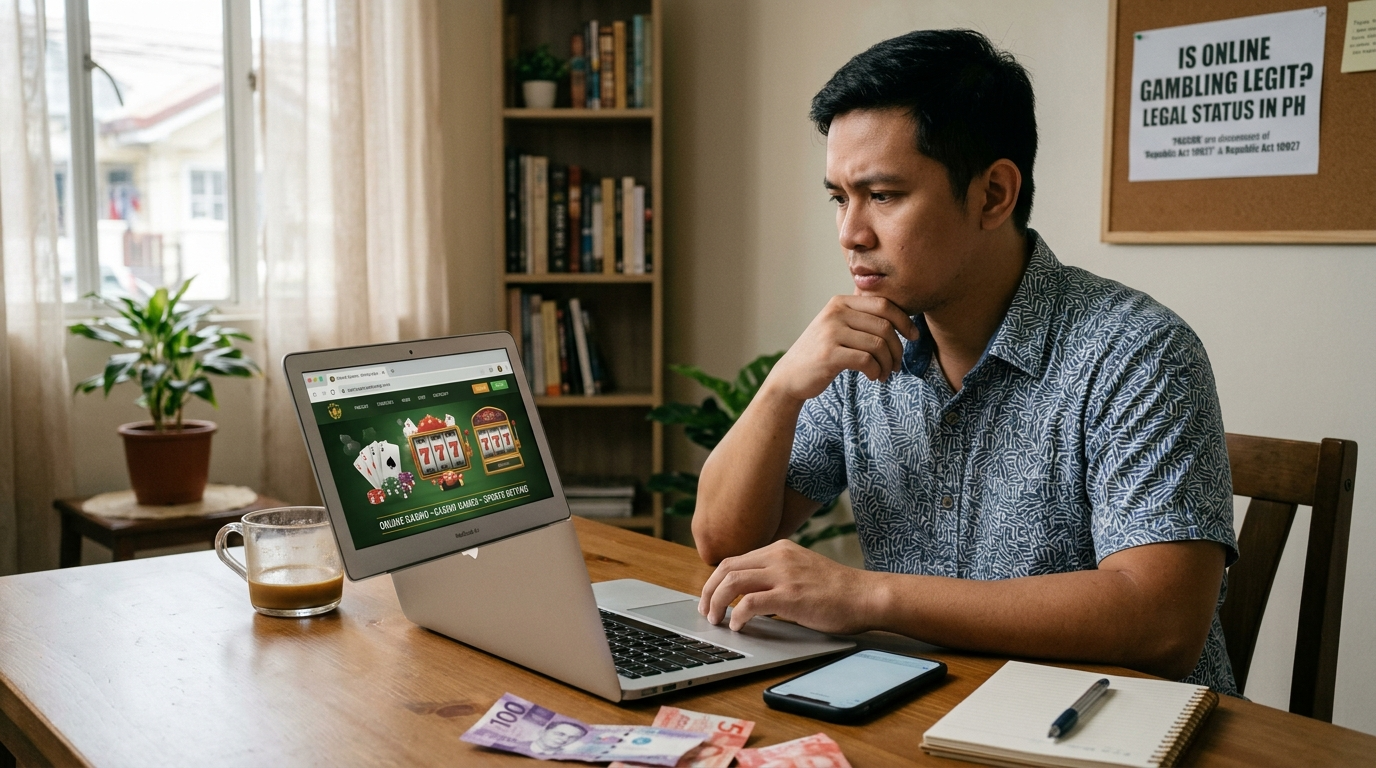
Many people searching for online sugal legit want to know whether gambling websites can be trusted with their money and personal data. The short answer depends on the operator’s licensing, the laws where you live, and how transparently the site handles payments and disputes. In Indonesia, online gambling is prohibited under national law, so no site operating there is legal to use regardless of its claims. This guide explains how to evaluate any platform, recognize common scam patterns, and understand the financial and personal risks before you make any decision.
Is Online Sugal Legit? Understanding the Legal Status
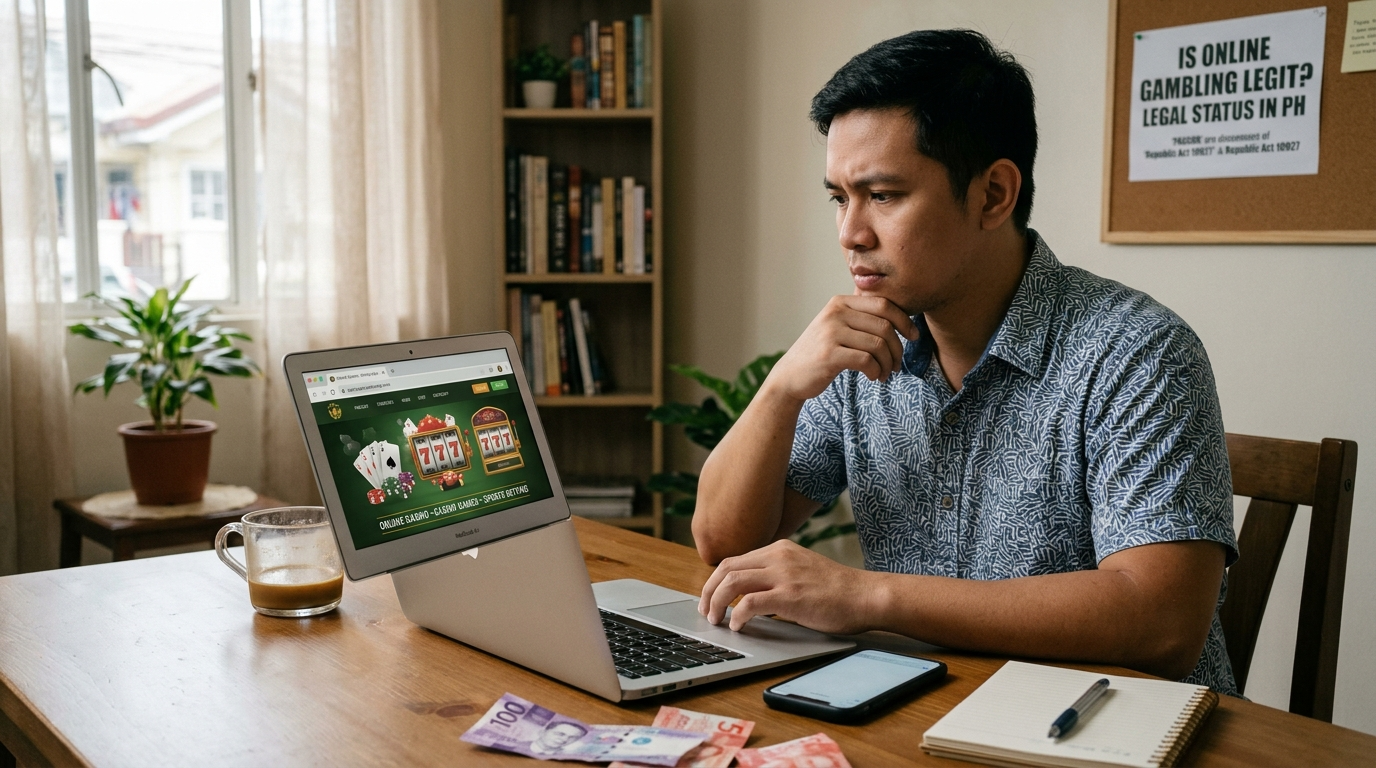
Many people wonder whether betting on gambling sites is allowed in Indonesia. The short answer is no. Understanding the legal framework helps you avoid serious financial and criminal risks.
Gambling Rules Under Indonesian Law
Indonesia treats gambling as a criminal offense. Several laws address it, including:
- The Criminal Code (KUHP): Prohibits offering gambling and taking part in gambling games.
- The Electronic Information and Transactions Law (UU ITE): Restricts electronic content that facilitates gambling, including websites and apps.
- Government blocking policies: Authorities actively block gambling domains and remove gambling apps.
Under these rules, online gambling is still gambling. Placing a bet from a phone or laptop does not change its legal status.
Why Claims That a Sugal Site Is Legit Do Not Make It Lawful
Many gambling websites display words like “licensed,” “certified,” or “100% legal.” These statements do not change the law. A website cannot grant itself permission to operate in Indonesia.
For example, a site may show a foreign seal or a logo from an overseas regulator. Even if that regulator is genuine, Indonesian law still applies to players inside the country. Scammers often copy official-looking badges for exactly this reason.
Tip: Treat any legality claim as a warning sign, not as proof. No Indonesian authority has approved public online gambling operators.
How Location and Jurisdiction Affect Legal Risk
Where a company is registered does not determine your legal exposure. Where you play does. Indonesian law generally applies to activities carried out within Indonesian territory, regardless of where the servers are located.
Consider these situations:
- A company registered abroad still violates Indonesian law if it targets Indonesian users.
- Using a VPN to hide your location does not remove your legal responsibility.
- Offshore operators are hard to pursue, but the risk remains with you as the player.
Therefore, foreign licensing rarely protects Indonesian players. Offshore regulators mainly oversee their own markets, so your recourse is limited if a dispute arises.
Consequences for Players on Unlicensed Online Sugal Sites
Using unlicensed platforms can lead to real consequences:
- Criminal liability: Gambling-related offenses can lead to investigation, prison time, and fines.
- Frozen funds: Banks and e-wallets may block accounts linked to gambling transactions.
- No dispute protection: Unregulated operators can refuse withdrawals with no accountability.
- Data exposure: Illegal platforms often collect ID cards, selfies, and bank details, which can be misused.
As a result, a player may lose both their money and their legal standing. Before depositing any funds, ask yourself whether the activity is lawful in Indonesia. If the answer is unclear, consult a legal professional first.
How to Verify an Online Sugal Operator’s License
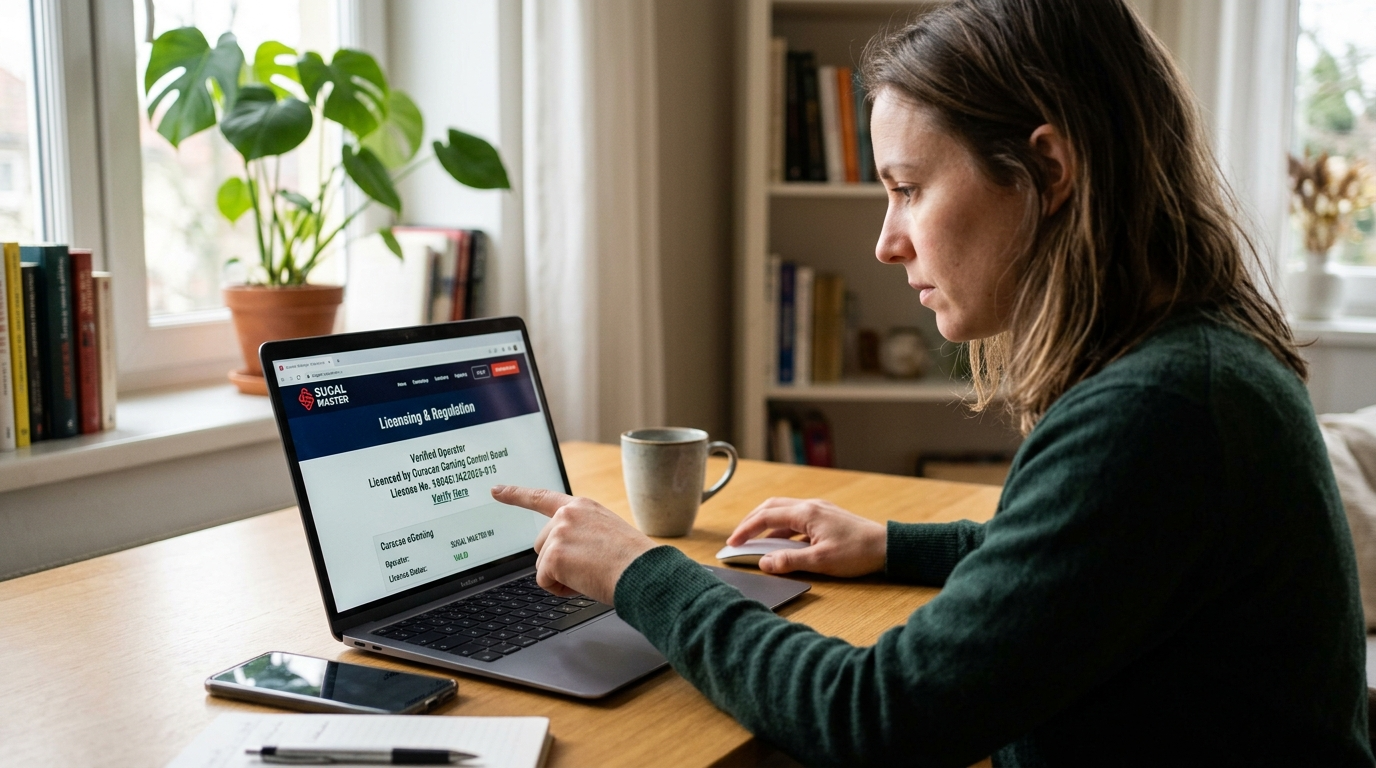
Every licensed operator should display its licence details clearly. Start by checking the footer, the “About” page, or the terms and conditions. A genuine licence always names a specific regulator, not just a logo.
Identify the Regulator Named on an Online Sugal Legit Licence
Look for the full name of the authority that issued the licence. Well-known examples include the UK Gambling Commission, the Malta Gaming Authority, and the Gibraltar Regulatory Authority.
Next, confirm the operator’s legal company name. It should match the name in the terms and conditions.
- Be cautious if a site shows a seal or badge but names no regulator.
- Be cautious if the company name on the licence differs from the one in the legal terms.
- Be cautious if the site uses vague phrases like “fully licensed” without details.
For example, a site that shows a generic “certified” badge but no authority name deserves extra scrutiny.
Check the Licence Number Against the Public Register
Most regulators publish searchable online registers. Always reach the regulator’s website yourself through a search engine. Do not rely on a link provided by the gambling site.
- Copy the licence number from the operator’s website.
- Search for it in the regulator’s public register.
- Confirm that the operator name, status, and expiry date all match.
- Check that the licensed activities cover what you plan to play, such as sports betting or casino games.
Tip: Save a screenshot of the register entry. Licences can be suspended or revoked, so recheck them from time to time.
Understand What a Licence Covers and What It Does Not
A valid licence shows that the operator meets certain standards in that jurisdiction. These often include fair game testing, player fund segregation, and a complaints process.
However, a licence does not guarantee that every withdrawal will be paid. It also does not settle every bonus dispute. Moreover, a licence only covers the customers the regulator allows the operator to serve.
For example, a UK licence applies to UK customers. It does not authorise the same operator to accept players elsewhere.
Why Offshore Licences Do Not Override Local Prohibitions
An offshore licence is issued by a foreign authority. It allows the operator to work under that country’s rules. It does not give anyone permission to gamble where local law forbids it.
As a result, your own national laws still apply. In many countries, players can face legal consequences even when the operator holds a valid offshore licence. Therefore, always check your local gambling rules before depositing any money.
Common Online Sugal Scam Warning Signs to Watch For
Scam operators often copy the look of legitimate gambling sites. Knowing the warning signs helps you spot trouble early. Use these red flags as a quick filter before you deposit any money.
Guaranteed Wins and Unrealistic Online Sugal Bonuses
Legitimate gambling is based on chance. No honest operator can promise you will win. Be wary of claims like “guaranteed profits” or “risk-free betting” with no conditions attached.
Bonuses also deserve close scrutiny. For example, a “500% welcome bonus” with a 60x wagering requirement is nearly impossible to clear. Scammers use these offers to lure you in and lock your funds.
Tip: Read the bonus terms before accepting. Check the wagering requirement, time limit, and maximum cashout amount.
Pressure to Deposit Quickly
Real operators rarely rush new players. Watch for countdown timers, “last chance” messages, or agents urging you to act right now. Such pressure stops you from thinking clearly.
Repeated requests to “recharge” your account are another red flag. For instance, you may be told to add more funds to unlock a bonus or recover earlier losses. This pattern often signals a scam.
Best practice: Set a fixed budget before you start. Never deposit money to chase losses.
Withdrawal Delays, Extra Fees, and Frozen Accounts
Withdrawals reveal a lot about an operator. Trustworthy sites process cashouts within a stated timeframe. Scam sites, however, invent delays, such as endless “verification” requests.
Be alert to unexpected charges. Examples include a “tax fee,” “processing fee,” or “unlock fee” demanded before you can receive your winnings. As a result, your balance may disappear without any payout.
Sudden account freezes after a big win are another common tactic. Moreover, legitimate operators explain any hold in writing and cite specific terms.
Tip: Withdraw a small amount first to test the process before depositing larger sums.
Fake Online Sugal Support and Brand Impersonation
Scammers often copy the logos and names of well-known brands. Consequently, fake sites can look convincing at first glance. Check the web address carefully for misspellings or unusual extensions.
Fake support agents may contact you through social media, email, or messaging apps. They might ask for passwords, one-time codes, or remote access to your device. Legitimate staff never ask for these details.
Recommendation: Contact support only through official channels listed on the operator’s verified website. Never click unsolicited links.
If you notice two or more of these signs, stop immediately. Therefore, walk away from the site and report it to your national gambling regulator.
Online Sugal Legit Checklist: Security and Payment Safety
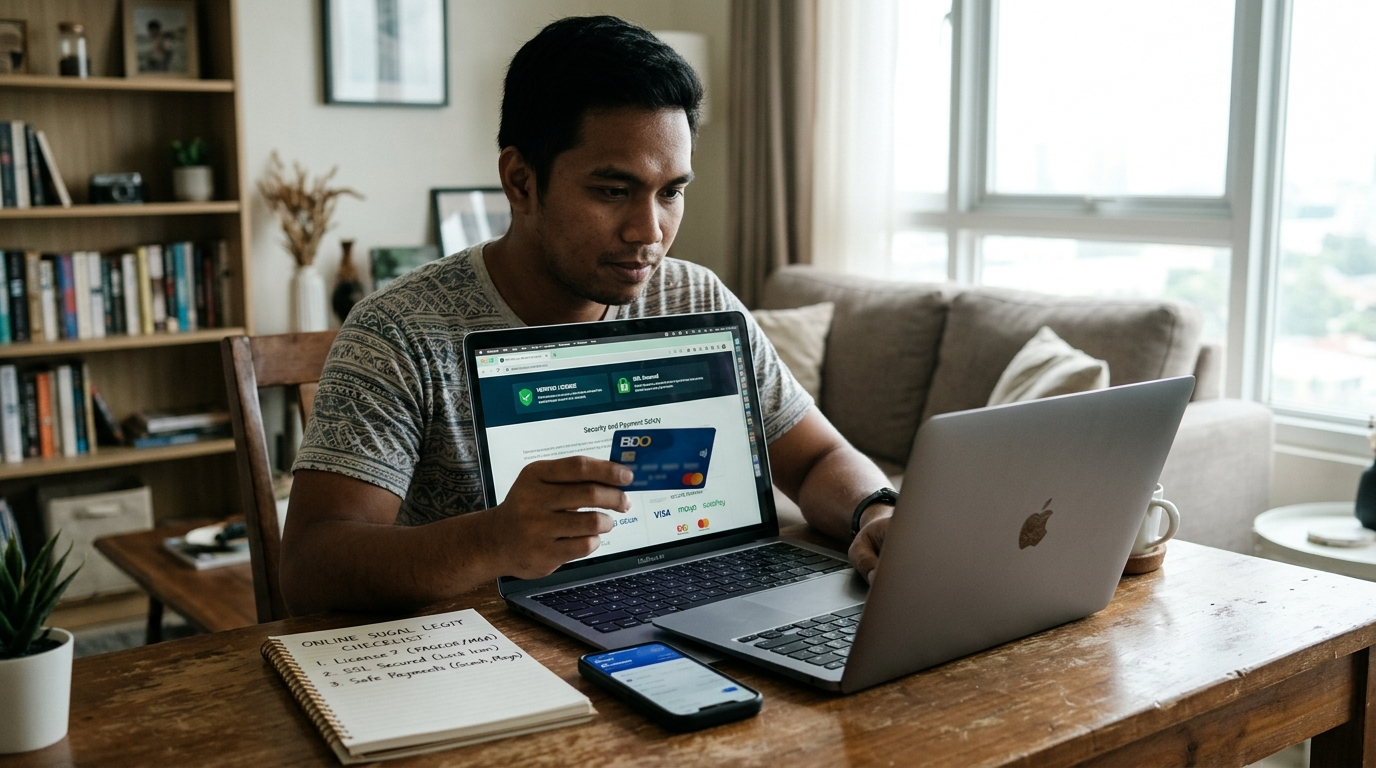
Before depositing any money, run a quick security and payment review. Strong safety checks show whether an operator protects your data and handles funds responsibly. Use this checklist to screen any gambling platform you are considering.
Confirming HTTPS Encryption and a Valid Domain
Encryption is your first line of defense. Look for these signs:
- A padlock icon in the address bar, with “https://” at the start of the URL.
- A domain name that matches the brand exactly, without extra words, odd spellings, or unusual extensions.
- A valid security certificate. Click the padlock to confirm it was issued to the operator’s company name.
For example, a site with a name like “bestbet-official-login” that copies a famous brand should raise alarm bells. Scammers often clone legitimate pages with tiny spelling changes. In addition, bookmark the official address once you confirm it.
Evaluating Online Sugal Payment Methods and Transaction Records
Trustworthy gambling sites offer recognized payment options. Credit cards, major e-wallets, and bank transfers usually provide stronger buyer protection than crypto-only or gift-card deposits.
Consider these checks:
- Confirm deposit options match your country’s banking rules.
- Review your transaction history in your account and verify every entry.
- Avoid sites asking for payments to personal accounts or private wallets.
- Keep receipts for every deposit and withdrawal.
Moreover, a legitimate operator never asks you to pay “fees” before releasing winnings. This request is a common scam tactic.
Reviewing Online Sugal Terms, Withdrawal Policies, and Dispute Procedures
The terms and conditions reveal how a site really treats players. Read the withdrawal section carefully, especially limits, processing times, and verification steps.
Look for:
- Clear withdrawal timeframes, such as 24 to 72 hours.
- Published minimum and maximum withdrawal amounts.
- A named complaints process with contact details and response times.
- A reference to an independent dispute resolution body.
Consequently, a vague policy stating that withdrawals are “at our discretion” deserves caution. Test customer support early. Send a simple question before depositing and note how quickly and clearly they respond.
Checking Independent Online Sugal Legit Reviews and Player Feedback
Reviews help, but only when they come from credible sources. Compare several independent review sites and forums instead of relying on the operator’s own testimonials.
Watch for these red flags:
- Identical five-star reviews posted within a short period.
- Complaints about frozen accounts or unpaid withdrawals repeated across multiple platforms.
- Vague feedback that avoids specific details.
However, one negative comment may simply reflect a misunderstanding. Dozens describing the same problem usually signal a genuine issue. As a result, patterns matter more than individual opinions.
Pro tip: Save screenshots of any withdrawal problems, and contact your payment provider quickly if a dispute arises.
Protecting Your Personal Data and Bank Details
Sharing personal information with any gambling site carries risk. Protecting your data starts with knowing what to share and what to refuse. The guidance below helps you keep your identity and money safe.
Why Identity Documents Are Requested
Licensed operators must verify who they serve. This process, known as KYC (know your customer), helps prevent underage play and money laundering. Common requests include:
- Passport or driver’s license: confirms your name and age.
- Proof of address: usually a recent utility bill or bank statement.
- Selfie or video check: matches your face to your ID.
However, the same documents can be misused. Criminals who obtain copies can open loans, create fake accounts, or commit identity theft. For example, a scanned passport sent to an unverified site may later be sold on criminal forums.
Tip: Upload documents only through the operator’s official website or app. Never send them by email or messaging apps.
Keeping One-Time Passwords and Banking Details Private
A one-time password (OTP) proves you are the account owner. Therefore, you should never share it with anyone, including support staff.
Legitimate support teams will never ask for:
- Your full card number and CVV code
- Your online banking password
- OTP codes sent by SMS or authenticator apps
- Remote access to your computer or phone
For example, a caller claiming to be a “verification agent” who asks you to read out a code is attempting fraud. Hang up. Then contact your bank using the number printed on your card.
Recognizing Phishing Links and Fake Online Sugal Apps
Phishing messages copy real brands to trick you into entering private details. Watch for these warning signs:
- Misspelled or unusual web addresses
- Urgent language, such as “Your account will be closed in 24 hours”
- Shortened links or buttons that hide the real destination
- Requests to log in through a link inside an email or text
Fake apps pose a similar threat. Moreover, they can contain software that steals passwords. Download apps only from official app stores or the operator’s verified website. An app that asks for access to your messages or contacts without a clear reason is suspicious.
Tip: On a computer, hover over a link to preview its address before clicking.
Steps to Take If Your Data Has Been Compromised
Acting quickly limits the damage. If you suspect a breach, follow these steps:
- Contact your bank immediately. Freeze or cancel any affected cards.
- Change your passwords. Update your email and gambling account passwords, making each one unique.
- Enable two-factor authentication on every account that supports it.
- Review account activity. Look for unfamiliar transactions, logins, or changed contact details.
- Report the incident. Notify the operator’s support team and your national fraud reporting agency.
- Monitor your credit report. Check for new accounts opened in your name.
- Stay alert for follow-up scams. Fraudsters often return posing as recovery agents who promise to recover lost funds for a fee.
As a result, you reduce the risk of lasting financial harm. Delays, on the other hand, give criminals more time to misuse your information.
Responsible Gambling and Signs of Problem Behavior
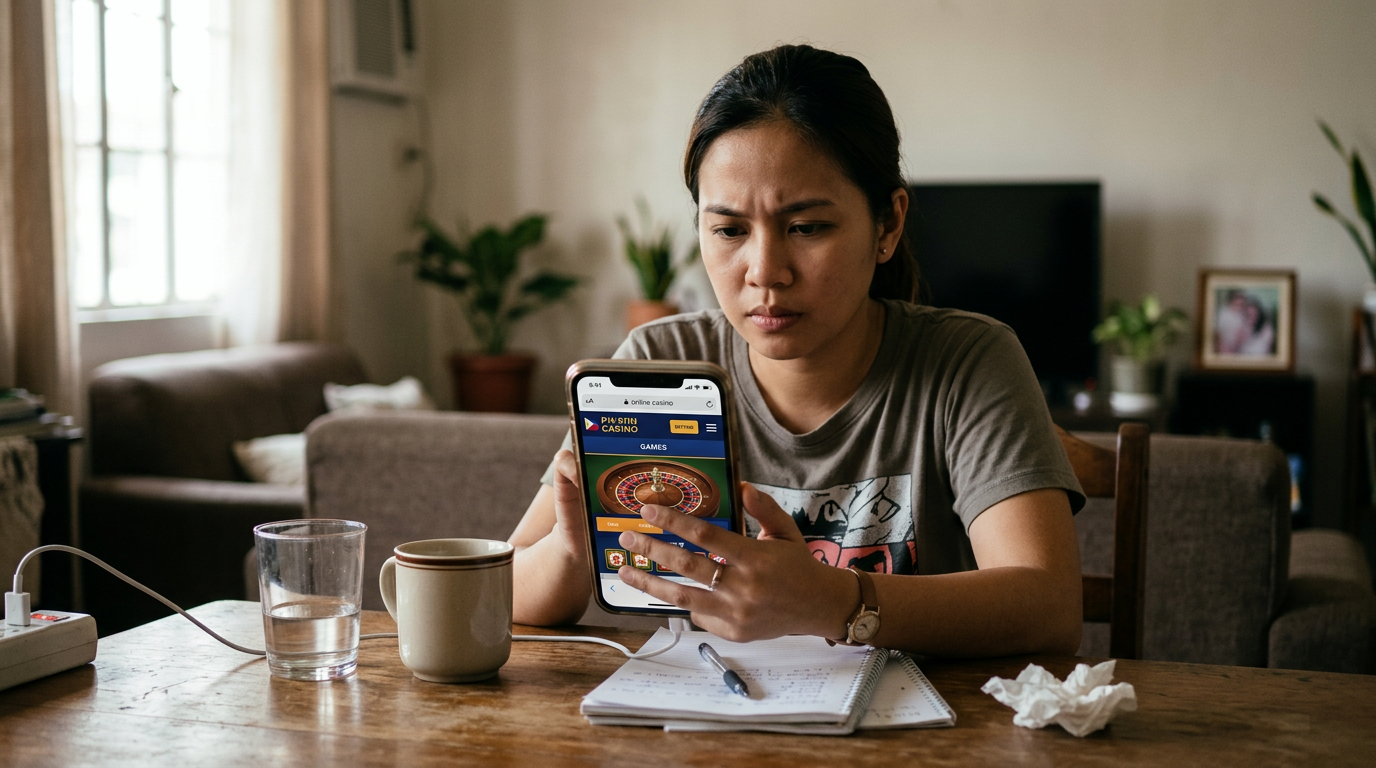
Responsible gambling means staying in control of your money, time, and emotions. Problem gambling often develops slowly, so knowing the warning signs helps you act early.
Recognizing Chasing Losses and Rising Bets
Chasing losses means betting more to win back what you have already lost. It feels logical in the moment, but it usually deepens the damage. Watch for these patterns:
- Increasing your stake after a losing streak
- Placing rapid bets to “make it back” the same day
- Continuing to play after promising yourself you would stop
- Depositing more money than you planned after losses
For example, a player who loses $200 and then deposits another $300 to recover is showing chasing behavior. However, many people do this without realizing it, so honest self-review matters.
Setting Limits on Time and Money
Limits protect you before problems begin. Set them before you play, not during a session. Consider these steps:
- Decide a monthly budget and treat it as entertainment spending.
- Set a session time limit using your phone’s alarm.
- Activate deposit limits in your account settings.
- Use reality checks or cool-off periods where offered.
- Never gamble with money needed for bills, rent, or food.
Moreover, follow one firm rule: when you reach your limit, stop, even if you feel lucky. Consequently, impulse decisions cannot drain your savings.
Warning Signs of Financial and Emotional Harm
Gambling can affect both your finances and your mental health. Common warning signs include:
- Borrowing money or selling belongings to fund bets
- Hiding gambling activity from family or friends
- Feeling anxious, irritable, or low when not playing
- Losing sleep or neglecting work and relationships
- Lying about how much time or money you spend
If you notice several of these signs, pause and reassess. In addition, talk with someone you trust about what is happening. As a result, you gain perspective and accountability.
Where to Find Confidential Support
Help is available, and many services are free and private. Useful options include:
- National gambling helplines: Many countries offer free, confidential advice from trained staff.
- Gamblers Anonymous: Peer support groups meet in many cities and online.
- Self-exclusion tools: Reputable, licensed operators usually let you block your own access.
- Counselling services: Doctors and mental health professionals can address stress, anxiety, or depression linked to gambling.
Check the responsible gambling section of any platform you use for direct access to these tools. Therefore, you can reach support quickly when you need it most.
Online Sugal Legit? Safer Alternatives and Next Steps
Legal Entertainment Options Worth Considering
Not every online gaming experience carries legal or financial risk. Several safer options let you have fun without wagering real money.
- Free-to-play casual games: Puzzle, trivia, and card games with no cash prizes.
- Social games: Titles that use virtual coins you cannot cash out.
- Friendly fantasy leagues: Free-entry groups played for bragging rights.
- Licensed venues: Regulated casinos or entertainment centers in your area.
For example, a free poker app lets you practice strategy without losing a cent. However, always check local laws before using any app that offers prizes.
How to Report Suspicious Online Sugal Websites
Reporting a fraudulent site protects other players. Follow these steps:
- Save evidence. Take screenshots of the site, transaction records, and chat logs.
- Contact your gambling regulator. Most countries have one that handles complaints.
- File a report with consumer protection or police. In the US, use the FTC or the IC3. In the UK, use Action Fraud.
- Notify your bank or payment provider. Ask about chargebacks and account security.
- Warn others. Post honest reviews on trusted forums and app stores.
Acting quickly matters. Therefore, report within days, not months.
Questions to Ask Before Joining Any Online Sugal Legit Platform
Before you deposit anything, pause and ask yourself:
- Who holds the license, and can I confirm it on the regulator’s website?
- Does the company publish clear terms, fair play policies, and a physical address?
- How does the operator handle complaints, and is independent dispute resolution available?
- Which payment methods are offered, and do they match my bank’s policies?
- Am I being pressured to deposit quickly or claim a bonus right away?
If you cannot answer these confidently, walk away. Moreover, trust your instincts.
Key Online Sugal Red Flags and Verification Steps
Use this quick summary as a final check:
- Red flag: No verifiable license, or a license number missing from the regulator’s register.
- Red flag: Unrealistic bonuses or promises of guaranteed winnings.
- Red flag: Requests for personal data beyond standard identity checks.
- Verification step: Confirm the license directly with the regulator.
- Verification step: Read independent reviews and check complaint histories.
Start with small steps. As a result, you protect both your money and your personal information.
Ready to explore safer options? Get started here and play with confidence.
Thank you for reading our guide about online sugal legit.
Frequently Asked Questions
Is online sugal legal in Indonesia?
No. Indonesia treats gambling as a criminal offense under the Criminal Code (KUHP) and the Electronic Information and Transactions Law (UU ITE). Authorities actively block gambling domains and remove gambling apps. Placing a bet from a phone or laptop does not change the legal status of the activity. No Indonesian authority has approved public online gambling operators, so claims that a site is “licensed,” “certified,” or “100% legal” do not make it lawful for players in Indonesia. Before depositing any money, ask whether the activity is lawful where you live. If the answer is unclear, consult a legal professional first.
Does a foreign gambling license make an online sugal site safe to use?
Rarely. Your legal exposure depends on where you play, not where the company is registered or where its servers are located. Indonesian law generally applies to activities carried out within Indonesian territory, so a company registered abroad can still violate Indonesian law if it targets Indonesian users. Using a VPN to hide your location does not remove your responsibility as a player. Offshore regulators mainly oversee their own markets, which means your options for recourse are limited if a dispute arises. Scammers often copy official-looking seals, so a badge alone is never proof of legitimacy.
How can I tell if an online sugal site is a scam?
Watch for several common warning signs. A site that displays a seal or badge but names no specific regulator should raise concerns. So should a company name on the licence that differs from the name in the terms and conditions, or vague phrases such as “fully licensed” with no supporting details. Other red flags include pressure to deposit quickly, delays or refusals when you request withdrawals, and requests for sensitive documents such as ID cards or selfies without a clear reason. Checking the footer, the “About” page, and the terms and conditions is a good starting point. If several of these signs appear together, treat the platform as high risk and avoid depositing funds.
What are the risks of using an unlicensed online sugal platform?
Using an unlicensed platform can expose you to serious financial, legal, and personal risks. Gambling-related offenses can lead to investigation, prison time, and fines. Banks and e-wallets may freeze accounts linked to gambling transactions, which can affect access to your everyday funds. Because unregulated operators offer no dispute protection, they can refuse withdrawals with no accountability. Illegal platforms also often collect ID cards, selfies, and bank details, which may be misused. As a result, a player can lose both their money and their legal standing. If you are already affected, stop depositing, keep records of your transactions, and seek advice from your bank and a qualified professional.
Leave a Reply