Tag: sugal gcash

  • Sugal GCash: Legal Risks, Scams, and Safe Play Tips

    Sugal GCash: Legal Risks, Scams, and Safe Play Tips

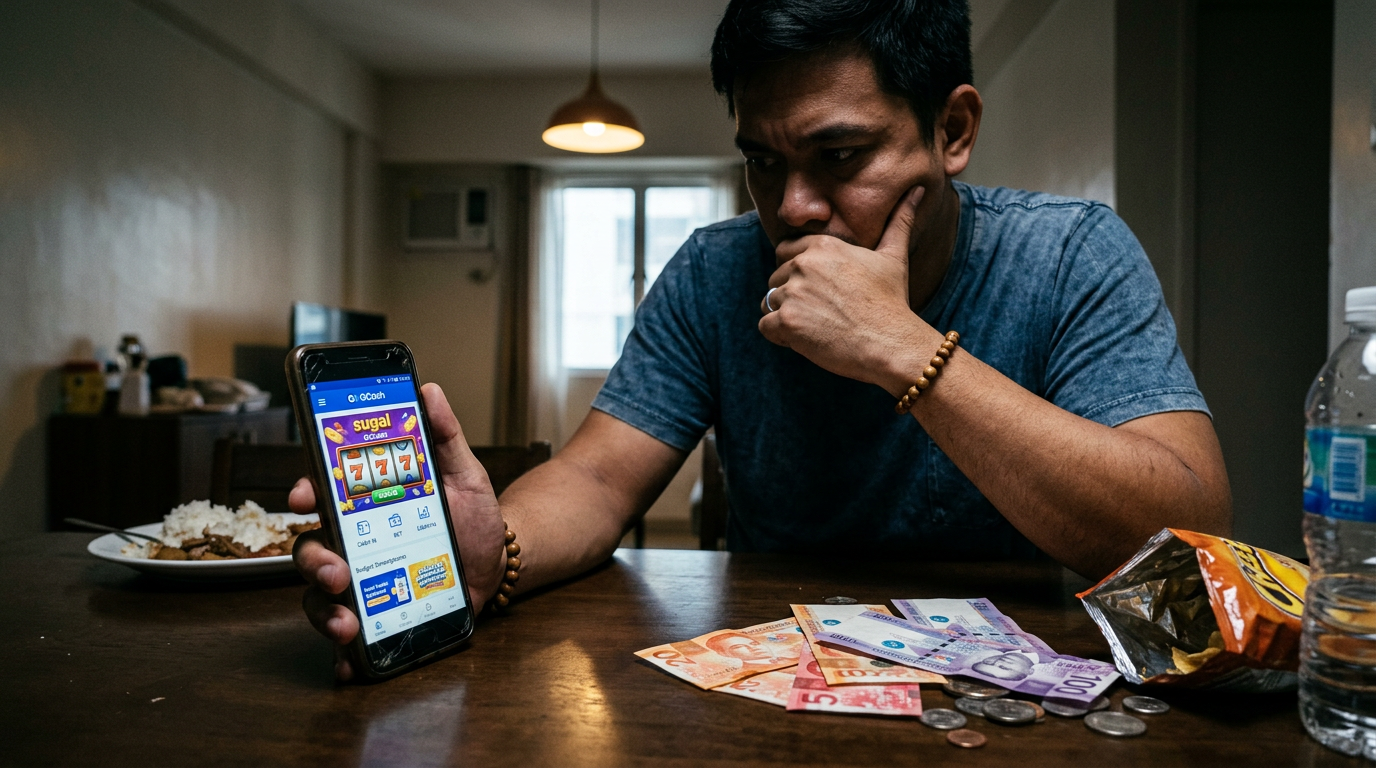
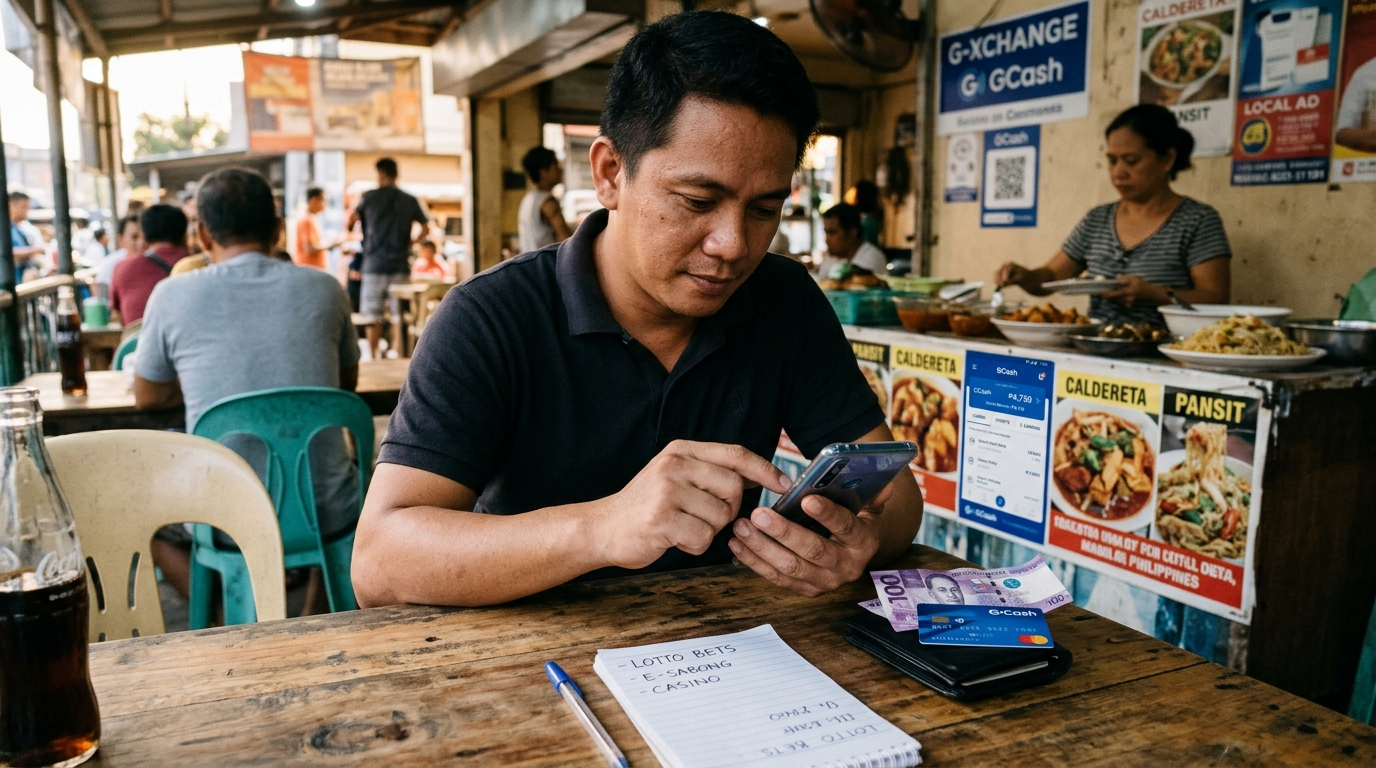
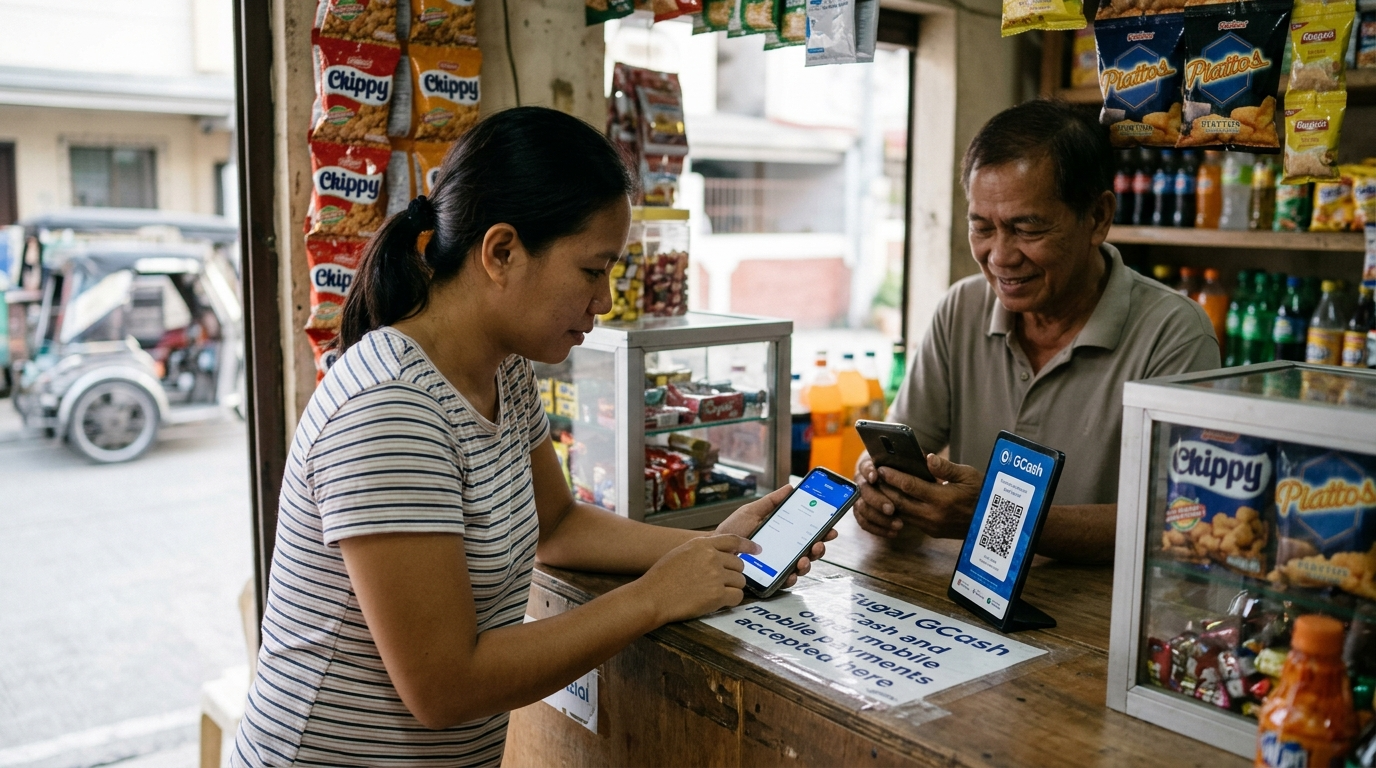
    Sugal GCash refers to betting and gambling activities carried out through the GCash e-wallet, a practice that has grown quickly alongside digital payments in the Philippines. Many users are drawn by easy deposits and fast cash-outs, but this space carries real legal, financial, and security risks. Regulators such as PAGCOR and the Bangko Sentral ng Pilipinas have repeatedly warned the public about unlicensed platforms and fraudulent sites. This guide explains how these transactions work, what the law says, which scams to avoid, and practical steps to protect your money and your family’s finances.

    What Is Sugal GCash and How Does It Work?
    What Is Sugal GCash and How Does It Work?

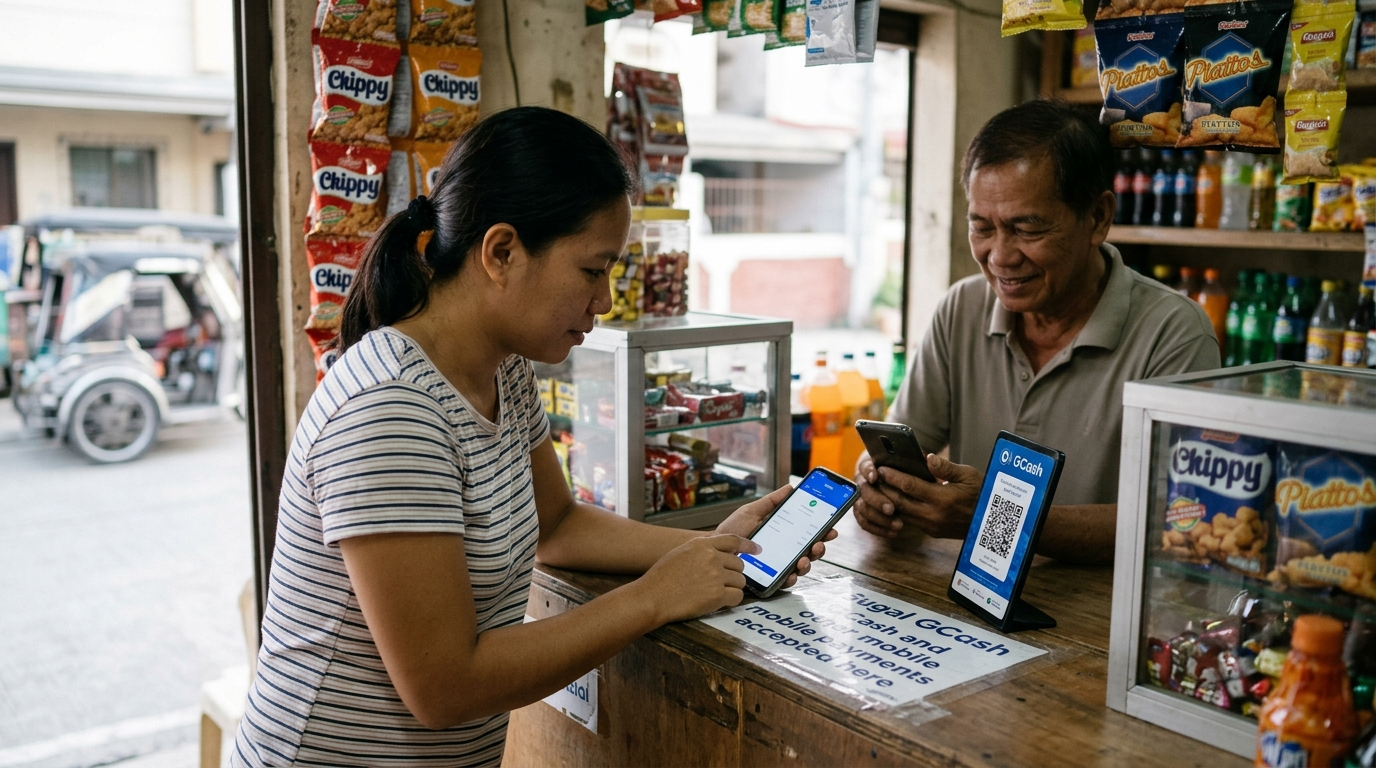
    “Sugal” is a Tagalog word meaning “to gamble” or “to bet.” Filipinos often use the phrase to describe wagering done through their GCash e-wallet balance. The practice covers many online betting activities that replace cash with mobile money.

    Defining the Sugal GCash Practice and Its Main Forms

    E-wallet betting takes several common shapes. Users typically encounter:

    • Online casino games, such as slots, card games, and virtual roulette
    • Sports betting, including basketball, boxing, and football wagers
    • E-sabong, which is online cockfighting with live-streamed matches
    • Peer-to-peer or “bet” apps, where users wager on numbers, colors, or random outcomes

    Many of these platforms accept GCash because it is the most widely used e-wallet in the country. Some are legitimate, while many are not. Knowing the difference is the first step toward safe participation.

    How Money Flows Through Sugal GCash

    Most transactions follow a simple three-stage cycle:

    1. Deposit: You add funds through a GCash cash-in at a partner outlet, a bank transfer, or a linked account.
    2. Bet: You send money from your wallet to the platform to place a wager.
    3. Cash-out: Winnings return to your GCash wallet, where you can withdraw them or send them to another account.

    For example, a user might deposit ₱500, place a ₱100 bet, and receive ₱180 in winnings. However, the platform may hold the funds for days or require identity verification before releasing them. Delays like this are a common warning sign.

    Licensed Operators Versus Unofficial Sites

    The difference between licensed and unofficial platforms matters greatly. Licensed operators hold permits from recognized Philippine regulators, such as PAGCOR or CEZA. They must follow strict rules on fair play, age checks, and player protection.

    Unofficial sites, by contrast, operate without any valid license. They often promise unusually high returns, pressure users to deposit quickly, and offer no clear dispute process. Therefore, always verify a platform’s license number on the regulator’s official website before depositing any money.

    It is also important to remember that GCash itself is regulated by the Bangko Sentral ng Pilipinas as an e-money issuer. It is not a gambling operator. Responsibility for the legitimacy of a betting site rests with that site’s license.

    Why E-Wallet Gambling Keeps Growing

    Several factors have fueled this trend. Smartphone access is widespread, and cashless payments have become part of everyday life. Moreover, social media ads and influencer promotions make betting seem casual and rewarding.

    In addition, low minimum deposits allow almost anyone to start betting with small amounts. As a result, the barrier to entry feels low, even though losses can accumulate quickly.

    Is Sugal GCash Legal in the Philippines?
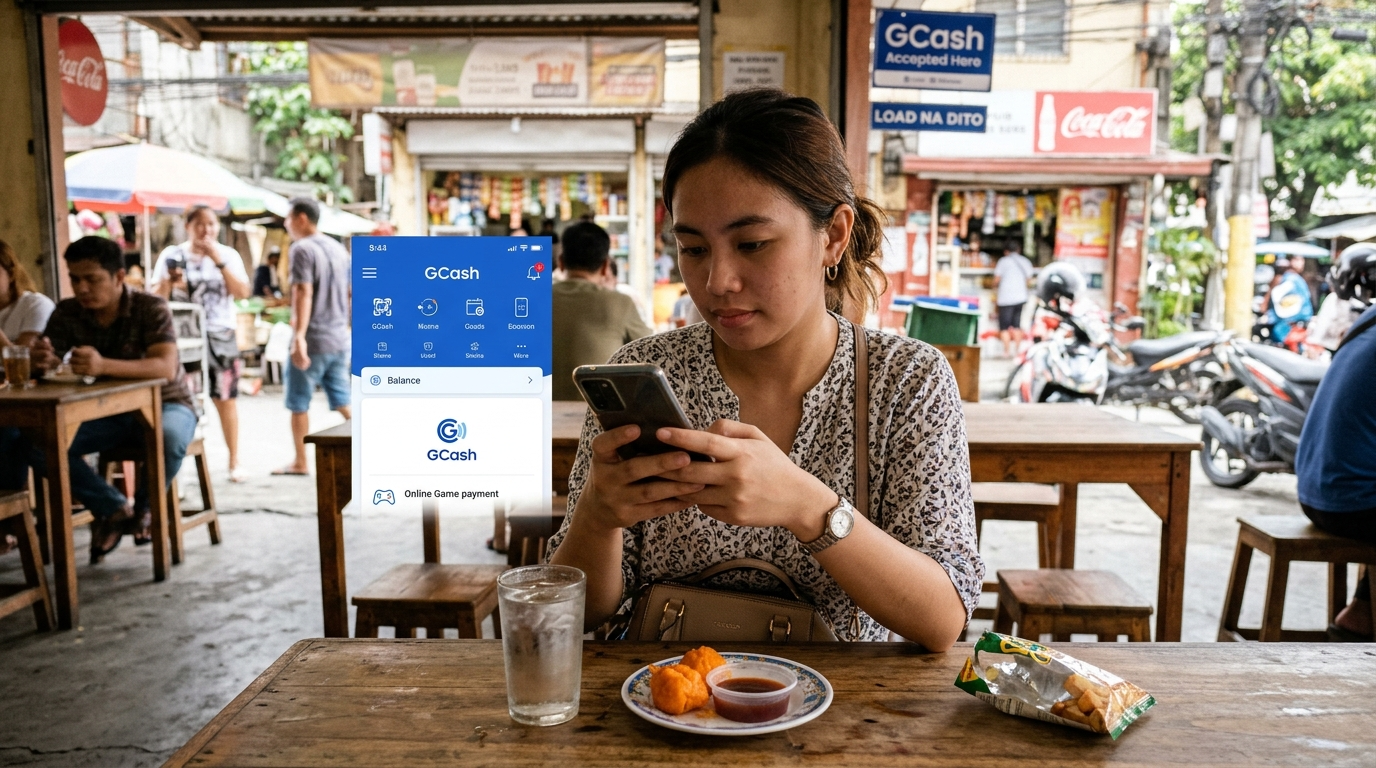
    Is Sugal GCash Legal in the Philippines?

    PAGCOR’s Role in Licensing

    The Philippine Amusement and Gaming Corporation (PAGCOR) is the main government body that regulates gambling in the country. It issues licenses to casinos and online gaming operators. A license means the operator meets standards for fair games, player protection, and financial reporting.

    For example, a legitimate platform should display a valid PAGCOR license number. You can verify that information through PAGCOR’s official website. Moreover, PAGCOR has tightened its rules in recent years, including ending the license category for offshore gaming operators that served foreign customers.

    Status of Unlicensed Platforms

    Any online gambling site without a valid Philippine license operates illegally. However, many of these sites advertise heavily on social media and promise “guaranteed wins” or large bonuses.

    Unlicensed platforms often share these traits:

    • They hide the company name and business address.
    • They use copied or fake PAGCOR logos.
    • They delay withdrawals or ask for extra “verification fees.”
    • They offer no dispute process if you lose money.

    Therefore, if a platform cannot show a valid license, treat it as high risk.

    E-Wallet Regulatory Actions

    Regulators also monitor how money moves through e-wallets. The Bangko Sentral ng Pilipinas (BSP) supervises e-money issuers, and these providers must watch for suspicious transactions. Under the Anti-Money Laundering Act, financial institutions must report activity that appears unusual.

    As a result, e-wallet providers may freeze or restrict accounts linked to illegal gambling or fraud. Users who repeatedly send money to unlicensed sites may face account limits, verification requests, or closure.

    Legal and Tax Implications for Players

    Philippine law penalizes illegal gambling operators. Players, however, can also face consequences. For instance, lending your account to another person for gambling or scam payments may expose you to liability under the Cybercrime Prevention Act.

    Taxes matter too. Winnings from licensed operators may carry tax obligations, and the rules depend on the type of income and amount. Consult the Bureau of Internal Revenue (BIR) or a qualified tax professional for guidance.

    Practical Sugal GCash Safety Steps

    To reduce your legal risk, follow these best practices:

    1. Confirm the operator’s PAGCOR license before depositing any money.
    2. Never share your GCash login, OTP, or MPIN with anyone.
    3. Keep records of all deposits, withdrawals, and transactions.
    4. Avoid using your account to receive or forward money for others.
    5. Seek legal advice if you face account freezes or demands for payment.

    Common Scams Targeting Sugal GCash Users

    Fake Betting Sites That Vanish

    Fake betting platforms copy the look of real casino and sportsbook apps. They promise big jackpots and fast cash-outs. Once you deposit through GCash, the site often stops responding.

    For example, a user deposits ₱2,000 to “unlock” winnings. The site then asks for a verification fee, then a tax payment. Each request costs more money, and the withdrawal never arrives.

    Best practice: Check whether the operator holds a valid license from PAGCOR before depositing anything.

    Sugal GCash Support Impersonation

    Scammers often pose as GCash customer service on Facebook, Messenger, or TikTok. Their profile pictures look official, and their replies sound professional.

    They usually ask for your MPIN, OTP, or account password. Real GCash staff will never ask for these details. Consequently, anyone who requests them is almost certainly a scammer.

    Tip: Contact GCash only through the official app or verified channels. Never share codes with anyone who messages you first.

    Phishing and Fake Sugal GCash Promo Offers

    Phishing messages often promise free cash, bonuses, or GCash rewards. They include links that lead to fake login pages designed to steal your credentials.

    However, the page may look identical to the real one. Once you enter your details, scammers can access your account within minutes.

    Warning signs include:

    • Urgent deadlines, such as “claim within 10 minutes”
    • Misspelled words or odd URLs
    • Requests to download unknown apps

    Money Mule Recruitment

    Money mule scams recruit people to receive and forward illegal funds. Recruiters often advertise easy income, such as “₱500 for every transfer.”

    As a result, your account may be flagged or frozen. You could also face legal liability for helping move stolen money. Therefore, never let anyone use your GCash account to receive or send funds on their behalf.

    Remember: Legitimate jobs never require you to lend your account for transfers.

    How to Identify Licensed and Safe Platforms
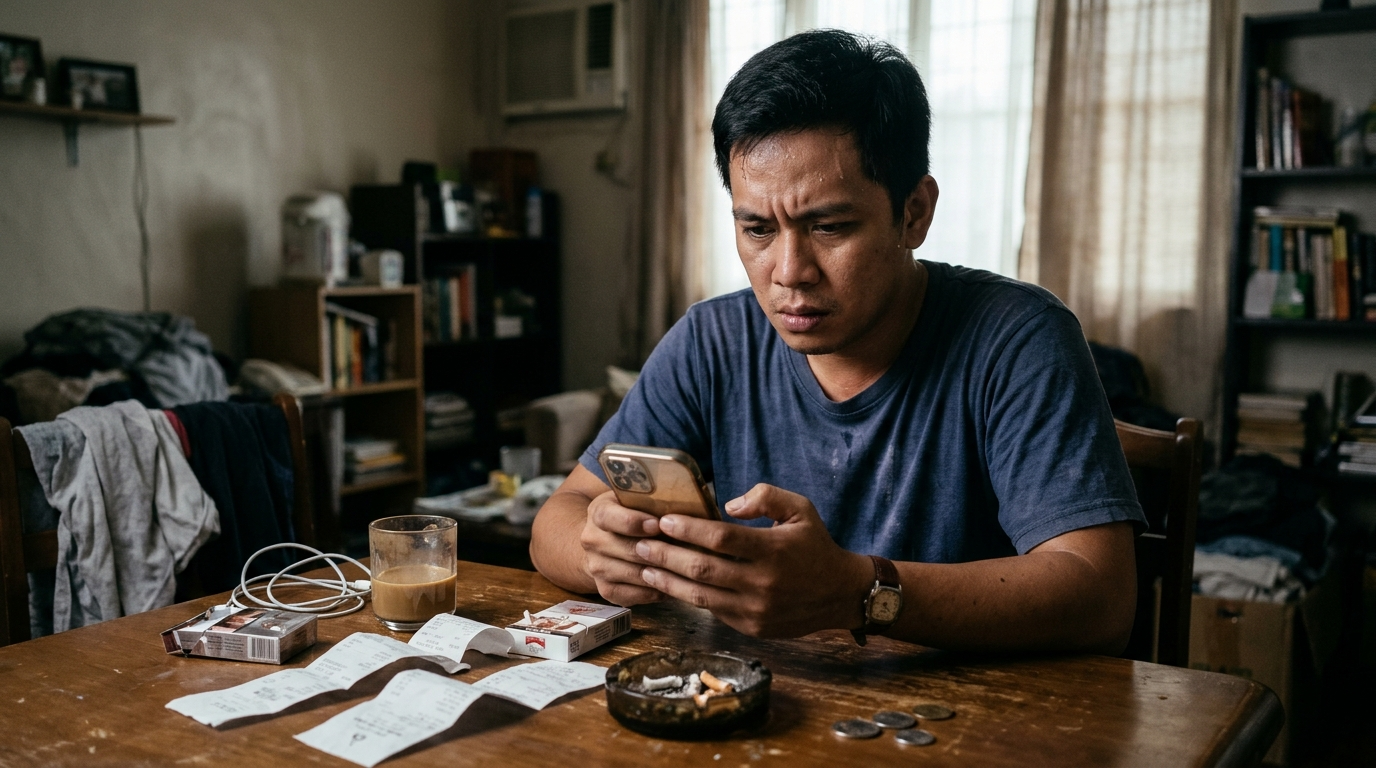
    How to Identify Licensed and Safe Platforms

    Choosing a licensed platform protects your money and personal data. Before using Sugal GCash or any similar betting site, run a few simple checks. Scammers often copy legitimate brands, so never assume a site is safe because it looks professional.

    Check PAGCOR Licensing Before Depositing

    The Philippine Amusement and Gaming Corporation (PAGCOR) regulates legal gambling in the country. Any operator serving Filipino players should hold a valid PAGCOR license.

    To verify a platform:

    1. Find the license number in the website footer or “About” page.
    2. Search PAGCOR’s official website for its list of licensed operators.
    3. Match the names. The licensed company name should match the operator named on the site.

    A PAGCOR logo alone proves nothing. Scammers copy seals and invent license numbers, so always verify directly with PAGCOR.

    Verify Domains, Contact Details, and Registration

    Fake sites often use lookalike domains. For example, a site might swap a letter, add extra words, or use a different extension. Compare the web address carefully against the official brand.

    Next, confirm the operator’s details:

    • Working contact information: A real email address, phone number, and business address in the Philippines.
    • Company registration: The operator should be registered with the Securities and Exchange Commission (SEC).
    • Clear terms: Published rules on deposits, withdrawals, and responsible gaming.

    Tip: Bookmark the official site instead of clicking links shared on social media or messaging apps.

    Spot Red Flags Early

    Certain warning signs strongly suggest a scam. Watch for:

    • Guaranteed wins: Promises like “100% payout” are impossible in games of chance.
    • Pressure to deposit quickly: Countdown timers or “only three slots left” tactics.
    • Requests for your MPIN or OTP: Legitimate platforms never ask for these codes.
    • Payments to personal accounts: Deposits should go to the official company, not an individual.
    • Withdrawal delays or hidden fees: Sites that stall payouts often never pay.

    For example, an “agent” on Facebook might promise to double your deposit and ask you to send money to a personal GCash number. Therefore, treat that offer as fraud and stop all communication.

    Report Suspicious Platforms Promptly

    If you spot an unlicensed or fraudulent platform, report it right away:

    • PAGCOR: Report unlicensed gambling operators.
    • PNP Anti-Cybercrime Group or NBI Cybercrime Division: Report scams, identity theft, and fraud.
    • GCash: Report suspicious accounts through the app or official customer support. They can flag or freeze transactions.

    Keep evidence such as screenshots, transaction receipts, chat logs, and web addresses. Acting quickly, as a result, improves your chances of recovering funds.

    Warning Signs of Problem Gambling
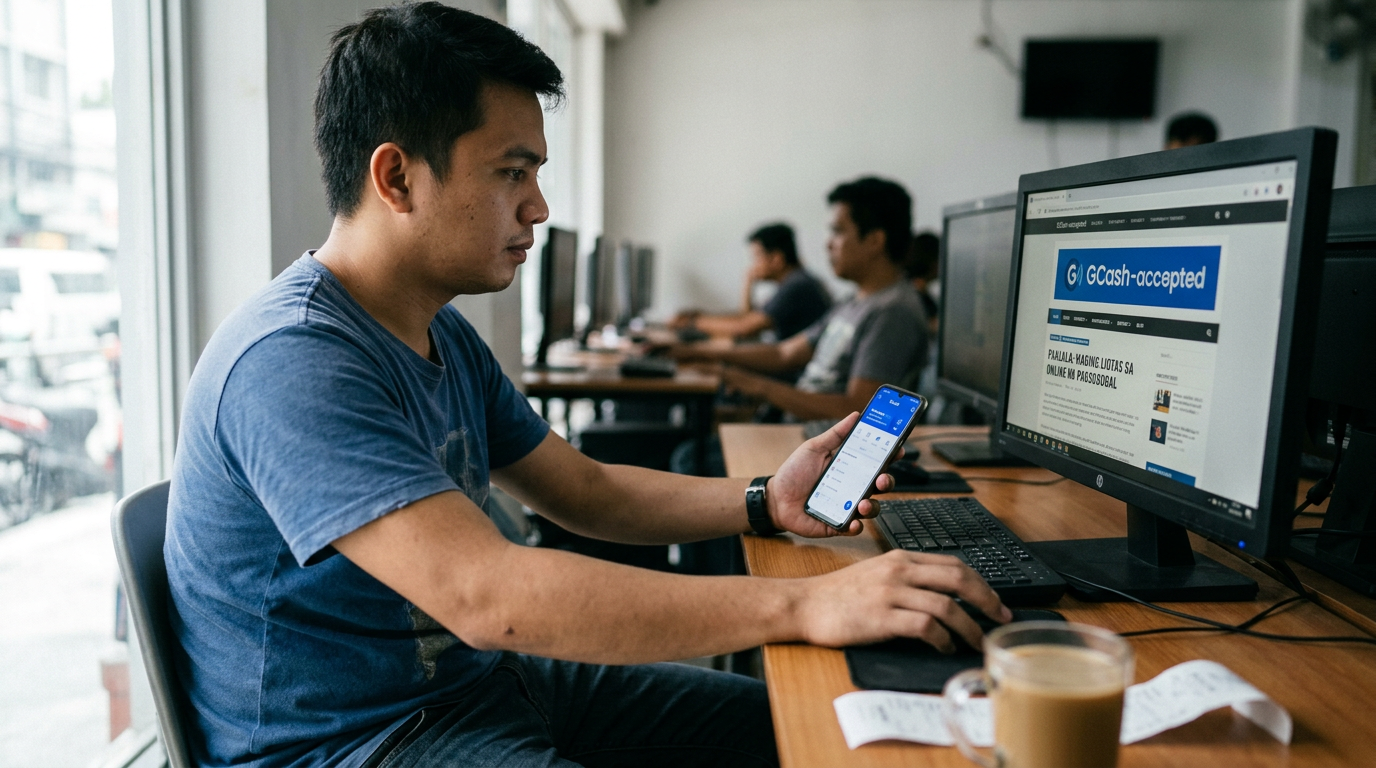
    Warning Signs of Problem Gambling

    Gambling often starts as harmless fun. Over time, it can quietly take control of your money, relationships, and mental health. Recognizing the warning signs early makes it easier to step back before serious damage occurs.

    Chasing Losses and Borrowing to Keep Playing

    Chasing losses means betting more to win back what you already lost. People who chase losses often believe the next bet will fix everything. It rarely does.

    Common red flags include:

    • Increasing bet sizes after a losing streak
    • Returning to play the same day to “win it back”
    • Borrowing from friends, lending apps, or online lenders to fund bets

    For example, a player who loses ₱2,000 may take another ₱5,000 from a loan the same night. As a result, small losses can grow into serious debt.

    Hiding Gambling From Loved Ones

    Secrecy is one of the clearest signs of a problem. Someone who hides their activity often feels guilt or shame.

    Watch for these behaviors:

    • Lying about where you spend your time or money
    • Deleting transaction history or hiding app notifications
    • Becoming defensive when asked about finances
    • Missing work or skipping family events without a clear reason

    Moreover, hiding losses often leads to isolation. Therefore, the person loses the support they need most.

    Using Money Meant for Essentials

    Using funds set aside for necessities is a serious warning sign. When bill money disappears into bets, the risk grows quickly.

    Examples include:

    • Paying bets instead of rent, electricity, or school fees
    • Draining savings or emergency funds
    • Skipping meals to keep money available for betting
    • Feeling anxious until the next payday arrives

    Tip: Keep bill money in a separate account. Never place essential funds in a balance you use for play.

    Where to Get Help

    Recovery is possible, and support is available. In addition, reaching out early leads to better outcomes.

    Consider these options:

    1. Talk to someone you trust. A family member or friend can help you set limits and stay accountable.
    2. Call the NCMH Crisis Hotline at 1553. This toll-free line connects you with trained mental health professionals.
    3. Join a peer support group. Gamblers Anonymous meetings bring together people who understand the struggle.
    4. Use self-exclusion and limit tools. Ask licensed operators about self-exclusion options and deposit or time limits.

    If you notice these signs in yourself or someone you love, act today. Early support can prevent a small problem from becoming a crisis.

    Protecting Your Sugal GCash Account and Funds

    Your GCash account holds your money, so protecting it should be your first priority. Strong habits can stop most account takeovers before they start.

    Set Up Your Sugal GCash MPIN and App Lock

    Start by creating an MPIN that no one can easily guess. Avoid birthdays, phone numbers, and repeated digits like 111111.

    Next, turn on these built-in protections:

    1. App lock: Require a passcode or biometrics to open the app.
    2. Two-factor security: Keep verification steps active for logins and transactions.
    3. Transaction alerts: Get notified instantly after every payment or transfer.

    For example, if someone tries to log in from a new phone, a verification step can block them. Review these settings every few months.

    Never Share Your OTPs or Account Access

    GCash staff will never ask for your OTP, MPIN, or password. Anyone who asks for these details is almost certainly a scammer.

    Follow these simple rules:

    • Keep your OTP private, even if the caller claims to be from support.
    • Do not let others use your phone while you are logged in.
    • Refuse screen-sharing requests from strangers.
    • Avoid links sent by unknown numbers or messages.

    As a result, a scammer without your OTP cannot complete a transfer. Therefore, treat every OTP like a bank card PIN.

    Set Spending Limits for Entertainment

    Treat entertainment money as a fixed budget. Decide the amount before you open any app. Keep it separate from bills and savings.

    Practical steps include:

    • Set a weekly cap and stop once you reach it.
    • Use a separate fund for entertainment, if your app allows it.
    • Never borrow or use loans to fund play.
    • Review your transaction history every week.

    For example, if your entertainment budget is ₱1,000 per week, you stop at ₱1,000. Moreover, take a break if you feel tempted to exceed it.

    What to Do If Your Sugal GCash Account Is Compromised

    Act fast when you suspect unauthorized access. Every minute gives the attacker more time to move your money.

    1. Change your MPIN immediately from a device you trust.
    2. Contact GCash customer service through the official app or hotline.
    3. Request a temporary account lock to stop further transactions.
    4. Record every unauthorized transaction, including dates and amounts.
    5. Secure your email and linked accounts to prevent further damage.
    6. Report the incident to the PNP Anti-Cybercrime Group or the NBI Cybercrime Division.

    Consequently, quick action improves your chances of recovering funds. Keep screenshots and reference numbers as evidence. However, do not wait to see if the problem resolves itself.

    If you decide to explore entertainment options, set your limits first and choose platforms carefully. Explore safe options here

    Thank you for reading our guide about sugal gcash.

    Frequently Asked Questions

    Is Sugal GCash legal in the Philippines?

    Betting through GCash is legal only when the platform you use holds a valid license from a recognized Philippine regulator, such as PAGCOR. GCash itself is an e-money service regulated by the Bangko Sentral ng Pilipinas, and it is not a gambling operator. The legal risk comes from the betting site. Any online gambling platform without a valid Philippine license operates illegally, and using it can expose you to financial loss with little recourse. Before depositing money, check the operator’s license number on the regulator’s official website. If the platform cannot show a verifiable license, treat it as unsafe.

    How can I tell if a betting site that accepts GCash is licensed?

    Start by looking for a clearly displayed license number and the full legal name and address of the company. Then verify both details directly on the official PAGCOR website rather than through links or badges provided by the site itself, since fake logos are common. Be cautious if the site hides its company information, uses a logo that does not match the regulator’s records, or promises guaranteed wins. Also check whether the license covers the exact service you want to use. A license for one type of gaming does not automatically cover others. When in doubt, choose a different platform.

    What are the most common scams targeting GCash users who bet online?

    Scammers frequently impersonate legitimate betting platforms or GCash support staff to steal login details and one-time passwords. Other common schemes include fake “bonus” offers that require a deposit before withdrawals are released, and sites that ask for extra “verification” or “tax” fees before paying winnings. Some fraudulent apps also collect personal information and then use it for identity theft. Never share your MPIN, OTP, or password with anyone, even someone claiming to be from GCash. Official GCash staff will never ask for these details. If a platform pressures you to deposit quickly, that pressure is itself a red flag.

    How can I protect my GCash account and recognize problem gambling?

    Protect your account by enabling app security features, keeping your MPIN private, and avoiding public Wi-Fi when making transactions. Set a strict budget for any betting activity and treat it as entertainment spending that you can afford to lose. Watch for warning signs of problem gambling, such as chasing losses, borrowing money to bet, hiding activity from family, or feeling unable to stop. If these signs appear, pause all transactions and seek support. You can also use GCash’s features to monitor spending and consider limiting access to betting sites. Talking openly with a trusted person or a counseling professional can help you regain control early.
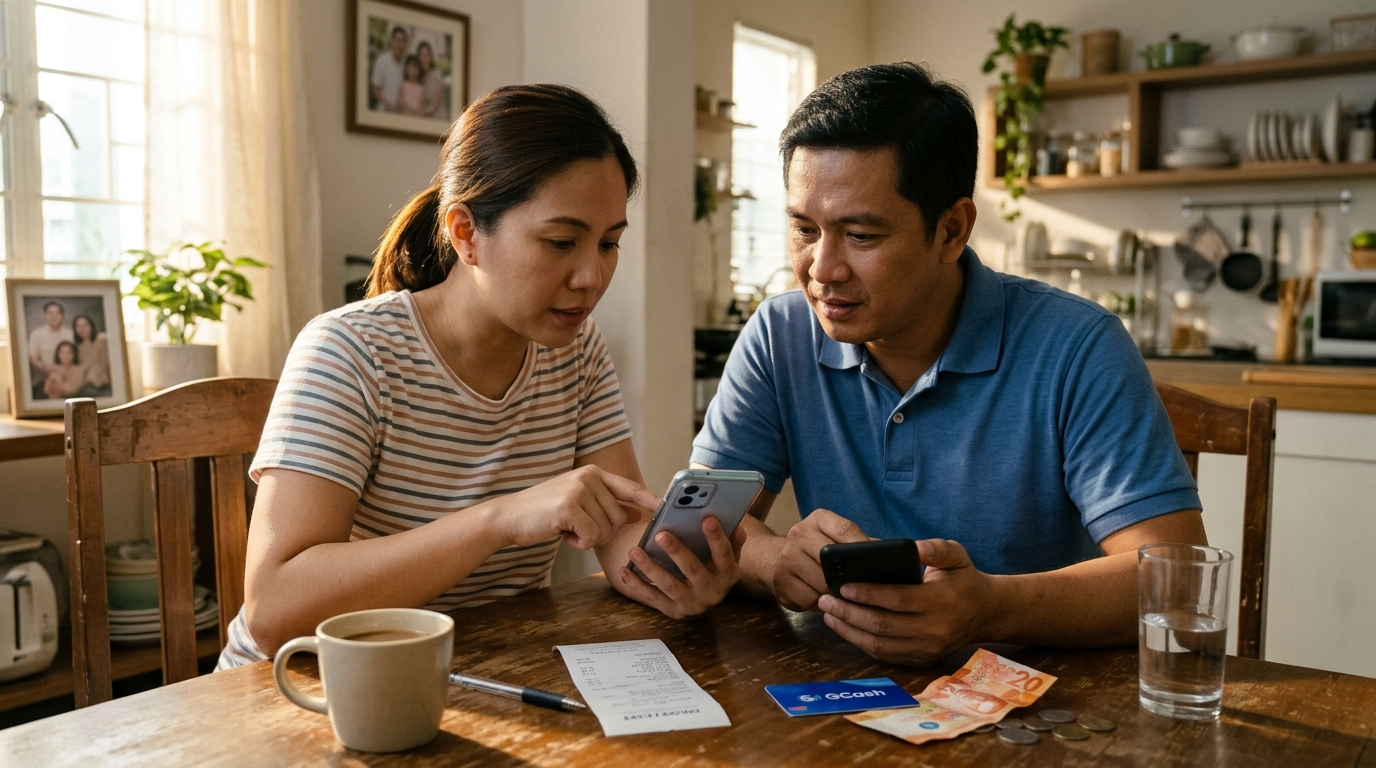
  • Sugal GCash: Risks, Rules, and Safe Play in the Philippines

    Sugal GCash: Risks, Rules, and Safe Play in the Philippines

    Sugal GCash refers to placing bets or playing gambling games using the GCash e-wallet, a practice that has grown alongside online casinos, sports betting platforms, and e-games across the Philippines. Many Filipinos are drawn by fast deposits and easy cash-outs, but the same convenience can lead to overspending, exposure to scams, and legal trouble. Therefore, this guide explains how sugal GCash works, what the rules say, how to spot illegal operators, and practical steps to protect your money and well-being.

    What Is Sugal GCash and How Does It Work?

    What Is Sugal GCash and How Does It Work?

    “Sugal GCash” is a phrase many Filipinos use to describe placing bets with money from the GCash e-wallet. Additionally, it combines a popular pastime with a mobile payment app used by millions. Therefore, knowing how this works is the first step toward making safer choices.

    Everyday Meaning in Filipino Usage

    “Sugal” is the Tagalog word for gambling or wagering. When people pair it with GCash, they usually mean playing games of chance using e-wallet funds. The term commonly covers:

    • Depositing money into online betting platforms through GCash
    • Paying for credits or accounts on gaming sites
    • Receiving winnings back into the e-wallet

    Many users treat GCash as their main betting account. As a result, this makes the money feel less like real cash, which can lead to faster spending.

    How Players Fund Bets and Withdraw Winnings

    Most transactions follow a simple cycle:

    1. Cash in: Load the GCash wallet through a bank, a partner outlet, or another e-wallet.
    2. Send payment: Transfer funds to a betting platform or a designated account.
    3. Place wagers: Bet on online casino games, color games, or sports.
    4. Cash out: Request a withdrawal back to the GCash wallet or a linked bank account.

    For example, a user might load 500 pesos, send it to a betting account, and later request a 1,200-peso payout. The process looks simple. However, the risks often sit in the details.

    Payment Patterns That Deserve Caution

    • Transfers to individuals rather than official company accounts
    • Repeated small transfers that add up quickly
    • Requests to pay extra “fees” before a withdrawal is released

    Tip: Therefore, always confirm the recipient’s name and account details before sending money.

    Why E-Wallets Have Become Popular for Betting

    E-wallets have grown into a preferred betting payment method for several reasons:

    • Speed: Transfers usually process within seconds.
    • Accessibility: Many Filipinos already have active accounts.
    • No card needed: Users avoid linking credit or debit cards.
    • Low entry amounts: Players can start with small sums.

    Consequently, betting becomes easy to start and hard to track. As a result, users may lose sight of how much they have spent. Moreover, the convenience of mobile access means betting can happen anytime, anywhere.

    Types of Online Betting Commonly Linked to GCash

    Types of Online Betting Commonly Linked to GCash

    Online betting linked to GCash usually takes three main forms. Each carries different risks. Therefore, knowing how they work helps you spot warning signs early.

    Online Casino and Slot Games

    Online casinos offer card games, table games, and slot machines. Many players fund their accounts through e-wallets because deposits feel quick and convenient.

    Slot-style games rely on random outcomes. For instance, unlicensed sites often advertise bonuses such as “double your first deposit.” However, these offers usually come with strict withdrawal conditions that are hard to meet.

    Common examples include:

    • Virtual slot games with animated themes
    • Live dealer baccarat or blackjack rooms
    • Fish-shooting and arcade-style games

    Sports and E-Sports Betting

    Sports betting lets users wager on basketball, boxing, or football matches. In contrast, e-sports betting focuses on competitive video game tournaments, such as Mobile Legends or Dota 2 matches.

    Odds shift rapidly during live events. As a result, players often place bets impulsively. For example, a bettor may keep wagering after a losing streak to “win back” lost money.

    Some unofficial bookmakers accept GCash deposits but delay or refuse payouts. Therefore, always confirm that a platform is licensed before depositing any funds.

    Peer-to-Peer and Social Betting Groups

    These groups operate through Facebook pages, Telegram channels, or private chat threads. Meanwhile, organizers, often called “tipsters” or “bookies,” collect bets and ask participants to send money through personal GCash accounts.

    Peer-to-peer betting lacks independent oversight. No neutral party verifies results or holds funds. Consequently, disputes are difficult to resolve.

    Warning signs to watch for:

    • Requests to send money to individual accounts
    • Claims of guaranteed winnings or “sure bets”
    • Pressure to recruit friends or family members
    • Sudden account blocks after a large win

    Safety Tips for Each Type

    Protecting yourself starts with verification. Moreover, a few simple habits can reduce your exposure to scams:

    1. Check licensing first. Confirm the operator holds authorization from a recognized Philippine regulator, such as PAGCOR.
    2. Avoid personal account transfers. Legitimate operators use official payment channels, not private accounts.
    3. Set a spending limit. Decide your maximum loss before you begin, and stop once you reach it.
    4. Read withdrawal terms. Bonus rules and payout conditions reveal a lot about a platform’s reliability.

    In addition, treat any offer that sounds too good to be true as a red flag.

    Is Sugal GCash Legal in the Philippines?

    The Role of PAGCOR in Regulating Gambling

    The Philippine Amusement and Gaming Corporation, known as PAGCOR, is the main government body that regulates gambling in the country. Additionally, it operates under Presidential Decree 1869, which grants it authority over casinos and other gaming activities.

    PAGCOR issues licenses and accreditations to gaming operators. Additionally, it sets rules on fair play, player protection, and anti-money laundering compliance. For example, licensed operators must meet standards for game integrity and secure handling of player funds. If an operator breaks these rules, PAGCOR can suspend or revoke its license.

    Licensed Versus Unlicensed Operators

    A licensed operator holds valid permission from PAGCOR or another authorized regulator. Licensed platforms display their license details and their registered company name. In addition, they must follow all local regulations.

    Unlicensed operators have no legal permission to offer gambling in the Philippines. Therefore, they operate outside the law. For example, many of these sites promote casino games or betting with no visible license number and no verifiable business address.

    Quick checks before you play:

    • Confirm the license number and the issuing authority.
    • Verify the company name matches the license holder.
    • Avoid platforms that promise guaranteed wins or pressure you to deposit quickly.

    Legal Consequences and Related Regulations for Users

    Most enforcement actions target operators. However, users are not fully protected. Illegal gambling is penalized under laws such as Presidential Decree 1602. In addition, the Cybercrime Prevention Act of 2012 covers offenses committed through online systems.

    Financial regulations also apply. Banks and e-wallets must monitor suspicious transactions under the Anti-Money Laundering Act. As a result, accounts linked to illegal gambling may be flagged, restricted, or frozen. Similarly, minors are barred from gambling activities, and casino entry is limited to adults aged 21 and above.

    Practical steps to reduce legal risk:

    • Stick to platforms with verifiable PAGCOR authorization.
    • Keep records of deposits, withdrawals, and transaction messages.
    • Consult a lawyer if you face a legal notice or account restriction.

    Hidden Risks of Sugal GCash for Players

    Hidden Risks of Sugal GCash for Players

    Fast Transactions Can Fuel Addiction

    Mobile betting removes the friction that once slowed gamblers down. Deposits take seconds on a phone. Moreover, there is no cashier to visit, no waiting, and no time to reconsider.

    This speed creates a dangerous loop. A player wins a small amount, feels excited, and deposits again. Similarly, losses then arrive just as quickly. Over time, this cycle can develop into compulsive gambling.

    Watch for these warning signs:

    • Playing late at night or during work hours
    • Increasing bet sizes to recover earlier losses
    • Hiding spending from family members
    • Feeling restless or irritable when not playing

    Debt, Borrowing, and Financial Strain

    Many players begin with money they can afford to lose. However, problems start when that money runs out. Some then borrow from friends, use online lending apps, or take cash advances to keep playing.

    For example, a worker may use his salary for bills and then borrow to cover the gap. A few losing sessions can quickly turn into months of repayments. Moreover, interest and late fees make the balance grow even faster.

    Financial stress also affects health and relationships. Constant worry about money can cause poor sleep, anxiety, and missed loan or utility payments.

    Practical tip: Set a fixed monthly gambling budget. Never borrow money to fund bets, and finally, treat any losses as the cost of entertainment.

    Fake Withdrawals and Account Takeovers

    Scam platforms often promise easy wins but never intend to pay. They usually follow a predictable pattern:

    1. The site displays a large balance after a small deposit.
    2. The player requests a withdrawal.
    3. The site demands a “tax,” “verification fee,” or extra deposit first.
    4. The money disappears, and the site stops responding.

    Moreover, account takeovers present another serious threat. Scammers may trick users into sharing one-time passwords (OTPs) or MPINs through fake support chats or cloned pages. Once they gain access, they can drain funds, change linked numbers, or place bets using the victim’s identity.

    As a result, victims may lose money and even face disputes over transactions they never made. Reporting quickly gives you the best chance of recovery.

    Protection checklist:

    • Never share OTPs or MPINs with anyone, including “support” agents
    • Check the website address carefully before logging in
    • Turn on app lock and transaction alerts
    • Avoid links sent through unknown messages or social media groups

    How to Identify Safe Versus Scam Gambling Platforms

    Not every online betting platform is a scam, but many are. Knowing how to tell them apart protects your money and personal data. Therefore, run these checks before you deposit anything.

    Licenses and Regulator Credentials

    A legitimate operator displays a valid license from a recognized authority. In the Philippines, the main regulator is PAGCOR. Additionally, some offshore operators hold licenses from CEZA. To verify a license:

    • Look for a license number in the website footer or “About” page.
    • Confirm it directly through the regulator’s official website or hotline.
    • Match the company name on the license to the operator named in the terms and conditions.
    • Avoid sites that show only a logo or a generic “certified” badge without a verifiable number.

    For example, a site that claims an “international license” without naming the issuing authority is a major warning sign. Fake seals are easy to copy. Therefore, always verify the license yourself rather than trusting the image.

    Payment Red Flags and Withdrawal Delays

    Payment behavior reveals a lot about a platform. Watch for these warning signs:

    1. Deposits sent to personal accounts. Legitimate platforms use official payment channels, not an individual’s GCash number.
    2. Fees to release winnings. A “tax,” “unlock fee,” or “verification charge” before withdrawal is a classic scam tactic.
    3. Shifting withdrawal rules. New conditions suddenly appear after you win.
    4. Endless delays. Support repeatedly asks for more documents or promises payouts “later.”
    5. Pressure to deposit more. Urgent bonuses and “last chance” offers push you to lose more.

    In addition, test the withdrawal system with a small amount first. As a result, you learn whether the platform actually pays out. If it refuses even a modest payout, stop playing. Keep screenshots of all messages and transactions.

    Reviews and Community Reports

    Reviews help, but they can be manipulated. Use several independent sources:

    • Search the platform name alongside terms like “scam,” “unpaid withdrawal,” or “complaints.”
    • Check review dates, since old praise may not reflect current payout behavior.
    • Read online forums and social media groups for repeated complaints.
    • Be cautious of reviews that sound identical or appear only on the operator’s own website.

    For instance, if many players describe the same unpaid withdrawal, treat that pattern seriously. However, one negative review does not prove fraud. Look for consistent trends instead. Moreover, a platform with no independent reviews at all remains unproven.

    Quick Safety Checklist

    Before depositing, confirm the following:

    • The license number is valid and verified with the regulator
    • Payments go through official channels only
    • A small test withdrawal succeeds
    • Independent reviews are mostly positive and recent

    Responsible Gaming Tips for Sugal GCash Users

    Responsible Gaming Tips for Sugal GCash Users

    Responsible play matters even more for anyone using sugal gcash to fund bets. Clear rules protect your money, your time, and your peace of mind. Therefore, the tips below help you stay in control.

    Set Strict Budgets and Time Limits

    Decide your limits before you place any bet. Treat gambling money as entertainment spending, not income.

    1. Set a monthly budget. Use only money you can afford to lose. For example, if your leisure budget is ₱1,000 per month, never exceed it.
    2. Use daily or weekly caps. A ₱200 daily cap keeps losses small. Therefore, stop once you reach it.
    3. Set a session timer. Choose a fixed length, such as 30 minutes, and set a phone alarm.
    4. Never chase losses. Trying to win back lost money often leads to bigger losses. In addition, it encourages risky decisions.

    Use GCash Tools to Track Spending

    Your GCash account offers features that help you monitor activity. Review them regularly to catch problems early.

    • Check transaction history weekly. Look for repeated small transfers that add up over time.
    • Turn on push notifications. Instant alerts help you notice every payment as it happens.
    • Keep gambling funds separate. Move only your session budget into your wallet. For instance, keep the rest of your money in a savings or bills account.
    • Avoid linking credit. Using loans or credit for bets makes losses harder to control.

    However, tools work only when you use them consistently. Moreover, they cannot replace self-discipline.

    Recognize Warning Signs of Problem Gambling

    Problem gambling often develops slowly. Watch for these red flags in yourself or people you know:

    • Spending more than planned, again and again
    • Borrowing money to keep playing
    • Lying about how much time or money you spend
    • Feeling restless or irritable when you try to stop
    • Gambling to escape stress, sadness, or worry

    For example, a player who tops up ₱500 every night and borrows from relatives to recover losses shows clear warning signs. As a result, the situation requires immediate action.

    Take action early. Pause all gambling for at least 30 days. Delete betting apps, block gambling sites on your device, and ask a trusted person to hold you accountable. Consequently, you reduce temptation and protect your finances.

    Where to Get Help and Report Illegal Gambling Activity

    Report Suspected Scams to GCash

    If you suspect a gambling scam linked to your GCash account, act quickly. Additionally, fast action can limit your losses.

    Take these steps right away:

    1. Stop sending money to the platform.
    2. Save screenshots of chats, transaction records, and website addresses.
    3. Report the transaction through the GCash app’s Help Center.
    4. Change your MPIN and review your linked accounts.

    For example, if you paid a “deposit” to a site that later blocked your withdrawals, report that payment immediately. Include the reference number and the date.

    File Complaints With Authorities

    GCash cannot investigate illegal operators on its own. Instead, government agencies handle those cases. Consider these options:

    • PAGCOR (Philippine Amusement and Gaming Corporation): Regulates licensed gaming and accepts reports about unlicensed operators.
    • PNP Anti-Cybercrime Group (ACG): Investigates online fraud and illegal digital platforms.
    • NBI Cybercrime Division: Handles complaints involving online scams and identity misuse.

    Bring your evidence when you file. Evidence strengthens your case. Finally, keep copies of everything you submit.

    Get Support for Families Affected by Gambling

    Gambling problems affect the whole household. Family members often notice warning signs first. Watch for hidden transactions, frequent borrowing, or sudden mood changes.

    Helpful resources include:

    • NCMH Crisis Hotline (1553): A national mental health line that can assist with addiction concerns. Confirm current hours on the official website.
    • Gamblers Anonymous Philippines: Offers peer support meetings for people trying to stop.
    • Your local health center or family doctor: Can provide referrals and counseling.

    Consider a simple family rule. Share account alerts, set spending limits, and talk openly. Instead, encouragement works better than blame.

    Frequently Asked Questions

    Can I get my money back from a scam gambling site?
    Recovery is difficult. However, reporting quickly improves your chances. Contact GCash and file with authorities as soon as possible.

    Is reporting a scam only for big losses?
    No. Even small amounts matter. Moreover, reports help authorities track patterns and shut down fraudulent operators.

    Can I report a friend or relative’s activity?
    Yes. You can file a report on their behalf, especially if they are being defrauded.

    Want safer options for online entertainment? Learn more here.

    Thank you for reading our guide about sugal gcash.

    Frequently Asked Questions

    Is sugal GCash legal in the Philippines?

    It depends on the platform. Gambling in the Philippines is regulated mainly by the Philippine Amusement and Gaming Corporation (PAGCOR), which licenses casinos, sports betting operators, and online gaming services. Betting with a licensed and regulated operator is generally legal. However, many sites that accept GCash deposits have no Philippine license, and some operate illegally. Using GCash does not make a platform legal. Before depositing, check whether the operator is licensed by PAGCOR or another recognized authority, and whether it is listed on official government sources. Betting with unlicensed sites can expose you to fraud and leave you without legal protection if your payouts are withheld.

    How can I tell if a GCash betting site is a scam?

    Scam platforms often share several warning signs. Watch for payments sent to personal accounts rather than an official company name, promises of guaranteed wins, and bonuses that require large deposits before withdrawals are allowed. Be wary if the site asks for extra “processing,” “tax,” or “unlock” fees before releasing your winnings, which is a common scam tactic. Other red flags include pressure to deposit quickly, no visible license or contact details, and customer support that only responds through chat apps. Verify the operator’s license, search for independent player reviews, and start with small amounts only if you choose to proceed at all.

    What are the main risks of using GCash for online betting?

    The biggest risk is overspending. GCash makes deposits instant and feels less like real money, which can encourage repeated small transfers that add up quickly. Chasing losses, or betting more to “win back” earlier losses, is another common problem. There is also a risk of fraud, including fake betting accounts, account takeovers, and scammers who pose as customer service agents. Additionally, unlicensed platforms may delay or refuse withdrawals, leaving you with no recourse. Setting a monthly budget, keeping betting funds in a separate GCash wallet, and never sharing your MPIN or OTP codes can significantly reduce these risks.

    Where can I get help if gambling is affecting my finances or well-being?

    If gambling is causing financial stress, relationship problems, or emotional strain, support is available. Start by setting firm limits on your deposits and taking a break from betting apps and platforms. Many licensed operators offer self-exclusion tools and deposit limits that you can request directly. For mental health support, you can contact the National Center for Mental Health crisis hotline at 1553 (toll-free from landlines in Luzon) or 0917-899-8727. If you were scammed or suspect illegal gambling, report it to PAGCOR, the Cybercrime Investigation and Coordinating Center (CICC), or the PNP Anti-Cybercrime Group. Acting early can help you recover funds and regain control.