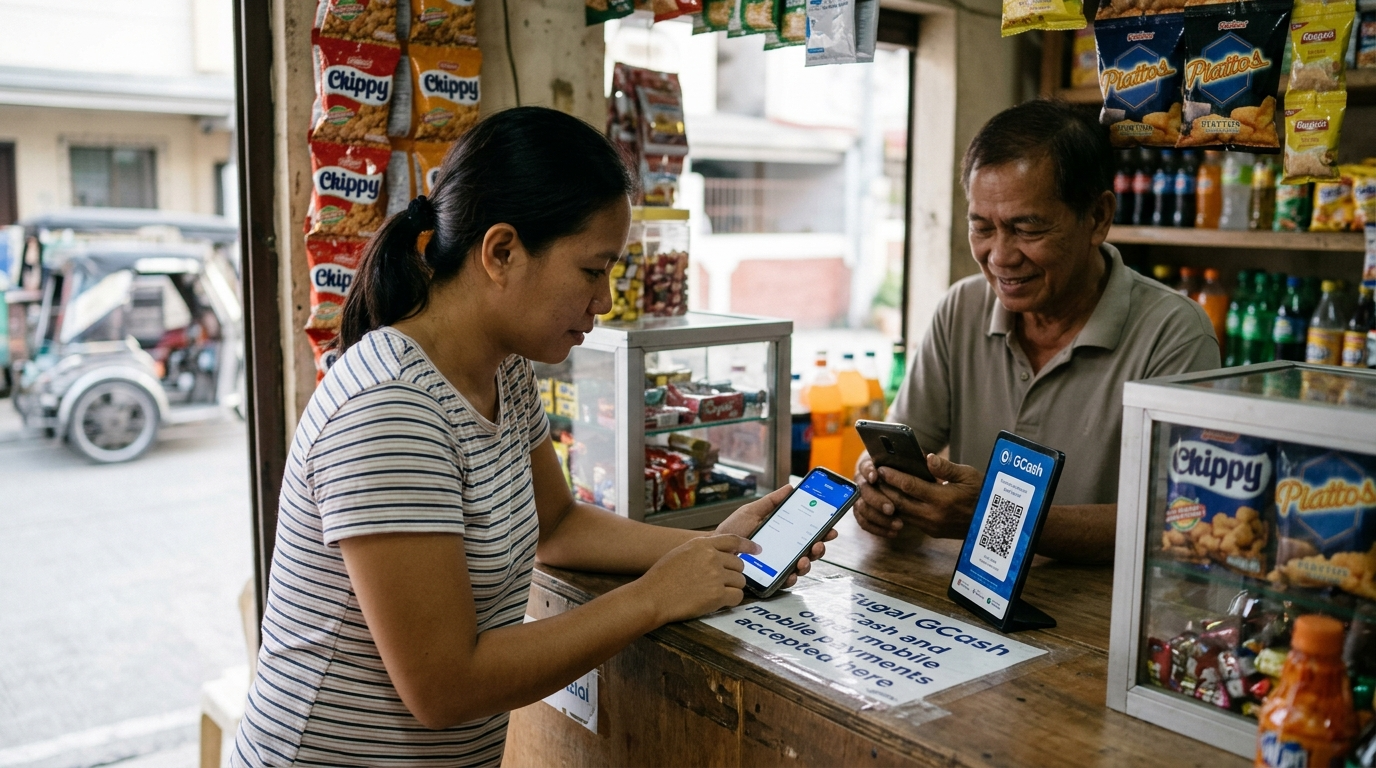
Sugal GCash refers to betting and gambling activities carried out through the GCash e-wallet, a practice that has grown quickly alongside digital payments in the Philippines. Many users are drawn by easy deposits and fast cash-outs, but this space carries real legal, financial, and security risks. Regulators such as PAGCOR and the Bangko Sentral ng Pilipinas have repeatedly warned the public about unlicensed platforms and fraudulent sites. This guide explains how these transactions work, what the law says, which scams to avoid, and practical steps to protect your money and your family’s finances.
What Is Sugal GCash and How Does It Work?
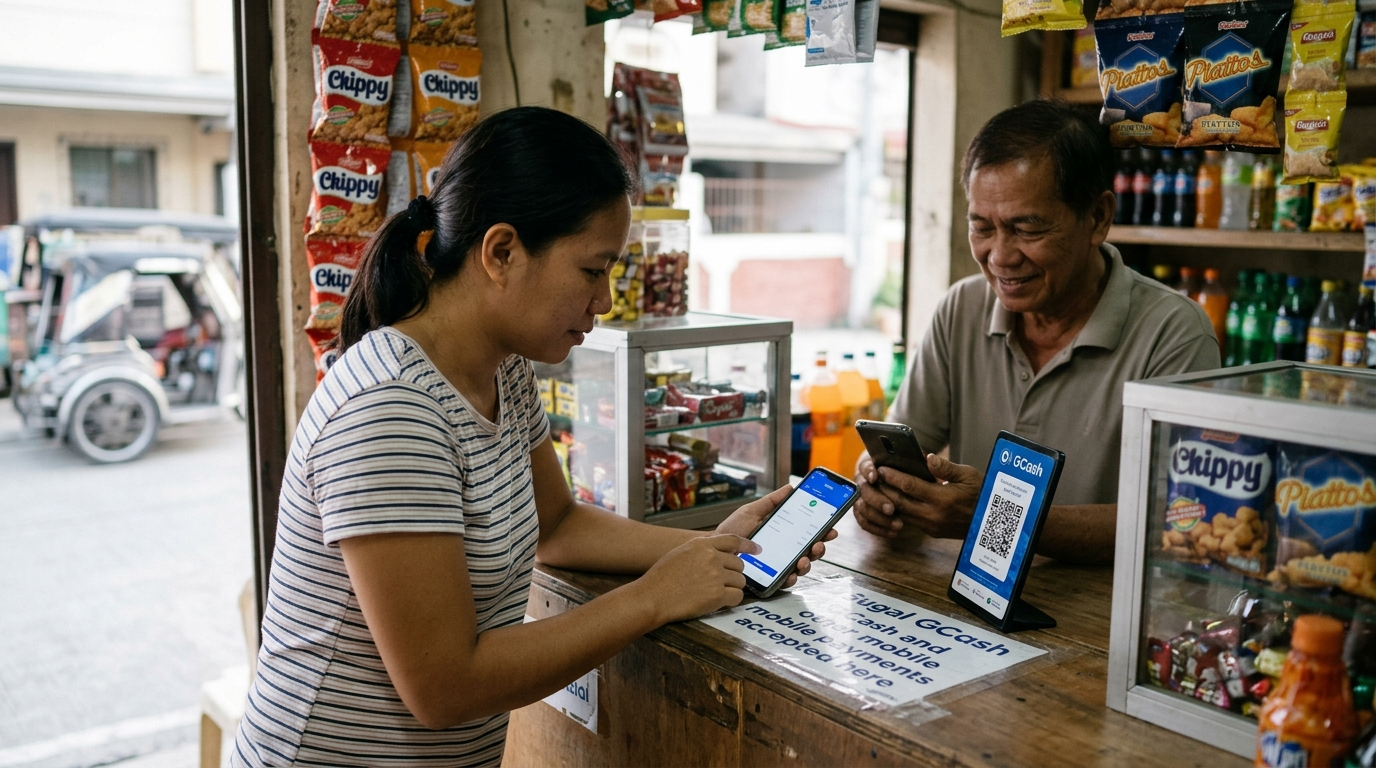
“Sugal” is a Tagalog word meaning “to gamble” or “to bet.” Filipinos often use the phrase to describe wagering done through their GCash e-wallet balance. The practice covers many online betting activities that replace cash with mobile money.
Defining the Sugal GCash Practice and Its Main Forms
E-wallet betting takes several common shapes. Users typically encounter:
- Online casino games, such as slots, card games, and virtual roulette
- Sports betting, including basketball, boxing, and football wagers
- E-sabong, which is online cockfighting with live-streamed matches
- Peer-to-peer or “bet” apps, where users wager on numbers, colors, or random outcomes
Many of these platforms accept GCash because it is the most widely used e-wallet in the country. Some are legitimate, while many are not. Knowing the difference is the first step toward safe participation.
How Money Flows Through Sugal GCash
Most transactions follow a simple three-stage cycle:
- Deposit: You add funds through a GCash cash-in at a partner outlet, a bank transfer, or a linked account.
- Bet: You send money from your wallet to the platform to place a wager.
- Cash-out: Winnings return to your GCash wallet, where you can withdraw them or send them to another account.
For example, a user might deposit ₱500, place a ₱100 bet, and receive ₱180 in winnings. However, the platform may hold the funds for days or require identity verification before releasing them. Delays like this are a common warning sign.
Licensed Operators Versus Unofficial Sites
The difference between licensed and unofficial platforms matters greatly. Licensed operators hold permits from recognized Philippine regulators, such as PAGCOR or CEZA. They must follow strict rules on fair play, age checks, and player protection.
Unofficial sites, by contrast, operate without any valid license. They often promise unusually high returns, pressure users to deposit quickly, and offer no clear dispute process. Therefore, always verify a platform’s license number on the regulator’s official website before depositing any money.
It is also important to remember that GCash itself is regulated by the Bangko Sentral ng Pilipinas as an e-money issuer. It is not a gambling operator. Responsibility for the legitimacy of a betting site rests with that site’s license.
Why E-Wallet Gambling Keeps Growing
Several factors have fueled this trend. Smartphone access is widespread, and cashless payments have become part of everyday life. Moreover, social media ads and influencer promotions make betting seem casual and rewarding.
In addition, low minimum deposits allow almost anyone to start betting with small amounts. As a result, the barrier to entry feels low, even though losses can accumulate quickly.
Is Sugal GCash Legal in the Philippines?
PAGCOR’s Role in Licensing
The Philippine Amusement and Gaming Corporation (PAGCOR) is the main government body that regulates gambling in the country. It issues licenses to casinos and online gaming operators. A license means the operator meets standards for fair games, player protection, and financial reporting.
For example, a legitimate platform should display a valid PAGCOR license number. You can verify that information through PAGCOR’s official website. Moreover, PAGCOR has tightened its rules in recent years, including ending the license category for offshore gaming operators that served foreign customers.
Status of Unlicensed Platforms
Any online gambling site without a valid Philippine license operates illegally. However, many of these sites advertise heavily on social media and promise “guaranteed wins” or large bonuses.
Unlicensed platforms often share these traits:
- They hide the company name and business address.
- They use copied or fake PAGCOR logos.
- They delay withdrawals or ask for extra “verification fees.”
- They offer no dispute process if you lose money.
Therefore, if a platform cannot show a valid license, treat it as high risk.
E-Wallet Regulatory Actions
Regulators also monitor how money moves through e-wallets. The Bangko Sentral ng Pilipinas (BSP) supervises e-money issuers, and these providers must watch for suspicious transactions. Under the Anti-Money Laundering Act, financial institutions must report activity that appears unusual.
As a result, e-wallet providers may freeze or restrict accounts linked to illegal gambling or fraud. Users who repeatedly send money to unlicensed sites may face account limits, verification requests, or closure.
Legal and Tax Implications for Players
Philippine law penalizes illegal gambling operators. Players, however, can also face consequences. For instance, lending your account to another person for gambling or scam payments may expose you to liability under the Cybercrime Prevention Act.
Taxes matter too. Winnings from licensed operators may carry tax obligations, and the rules depend on the type of income and amount. Consult the Bureau of Internal Revenue (BIR) or a qualified tax professional for guidance.
Practical Sugal GCash Safety Steps
To reduce your legal risk, follow these best practices:
- Confirm the operator’s PAGCOR license before depositing any money.
- Never share your GCash login, OTP, or MPIN with anyone.
- Keep records of all deposits, withdrawals, and transactions.
- Avoid using your account to receive or forward money for others.
- Seek legal advice if you face account freezes or demands for payment.
Common Scams Targeting Sugal GCash Users
Fake Betting Sites That Vanish
Fake betting platforms copy the look of real casino and sportsbook apps. They promise big jackpots and fast cash-outs. Once you deposit through GCash, the site often stops responding.
For example, a user deposits ₱2,000 to “unlock” winnings. The site then asks for a verification fee, then a tax payment. Each request costs more money, and the withdrawal never arrives.
Best practice: Check whether the operator holds a valid license from PAGCOR before depositing anything.
Sugal GCash Support Impersonation
Scammers often pose as GCash customer service on Facebook, Messenger, or TikTok. Their profile pictures look official, and their replies sound professional.
They usually ask for your MPIN, OTP, or account password. Real GCash staff will never ask for these details. Consequently, anyone who requests them is almost certainly a scammer.
Tip: Contact GCash only through the official app or verified channels. Never share codes with anyone who messages you first.
Phishing and Fake Sugal GCash Promo Offers
Phishing messages often promise free cash, bonuses, or GCash rewards. They include links that lead to fake login pages designed to steal your credentials.
However, the page may look identical to the real one. Once you enter your details, scammers can access your account within minutes.
Warning signs include:
- Urgent deadlines, such as “claim within 10 minutes”
- Misspelled words or odd URLs
- Requests to download unknown apps
Money Mule Recruitment
Money mule scams recruit people to receive and forward illegal funds. Recruiters often advertise easy income, such as “₱500 for every transfer.”
As a result, your account may be flagged or frozen. You could also face legal liability for helping move stolen money. Therefore, never let anyone use your GCash account to receive or send funds on their behalf.
Remember: Legitimate jobs never require you to lend your account for transfers.
How to Identify Licensed and Safe Platforms
Choosing a licensed platform protects your money and personal data. Before using Sugal GCash or any similar betting site, run a few simple checks. Scammers often copy legitimate brands, so never assume a site is safe because it looks professional.
Check PAGCOR Licensing Before Depositing
The Philippine Amusement and Gaming Corporation (PAGCOR) regulates legal gambling in the country. Any operator serving Filipino players should hold a valid PAGCOR license.
To verify a platform:
- Find the license number in the website footer or “About” page.
- Search PAGCOR’s official website for its list of licensed operators.
- Match the names. The licensed company name should match the operator named on the site.
A PAGCOR logo alone proves nothing. Scammers copy seals and invent license numbers, so always verify directly with PAGCOR.
Verify Domains, Contact Details, and Registration
Fake sites often use lookalike domains. For example, a site might swap a letter, add extra words, or use a different extension. Compare the web address carefully against the official brand.
Next, confirm the operator’s details:
- Working contact information: A real email address, phone number, and business address in the Philippines.
- Company registration: The operator should be registered with the Securities and Exchange Commission (SEC).
- Clear terms: Published rules on deposits, withdrawals, and responsible gaming.
Tip: Bookmark the official site instead of clicking links shared on social media or messaging apps.
Spot Red Flags Early
Certain warning signs strongly suggest a scam. Watch for:
- Guaranteed wins: Promises like “100% payout” are impossible in games of chance.
- Pressure to deposit quickly: Countdown timers or “only three slots left” tactics.
- Requests for your MPIN or OTP: Legitimate platforms never ask for these codes.
- Payments to personal accounts: Deposits should go to the official company, not an individual.
- Withdrawal delays or hidden fees: Sites that stall payouts often never pay.
For example, an “agent” on Facebook might promise to double your deposit and ask you to send money to a personal GCash number. Therefore, treat that offer as fraud and stop all communication.
Report Suspicious Platforms Promptly
If you spot an unlicensed or fraudulent platform, report it right away:
- PAGCOR: Report unlicensed gambling operators.
- PNP Anti-Cybercrime Group or NBI Cybercrime Division: Report scams, identity theft, and fraud.
- GCash: Report suspicious accounts through the app or official customer support. They can flag or freeze transactions.
Keep evidence such as screenshots, transaction receipts, chat logs, and web addresses. Acting quickly, as a result, improves your chances of recovering funds.
Warning Signs of Problem Gambling
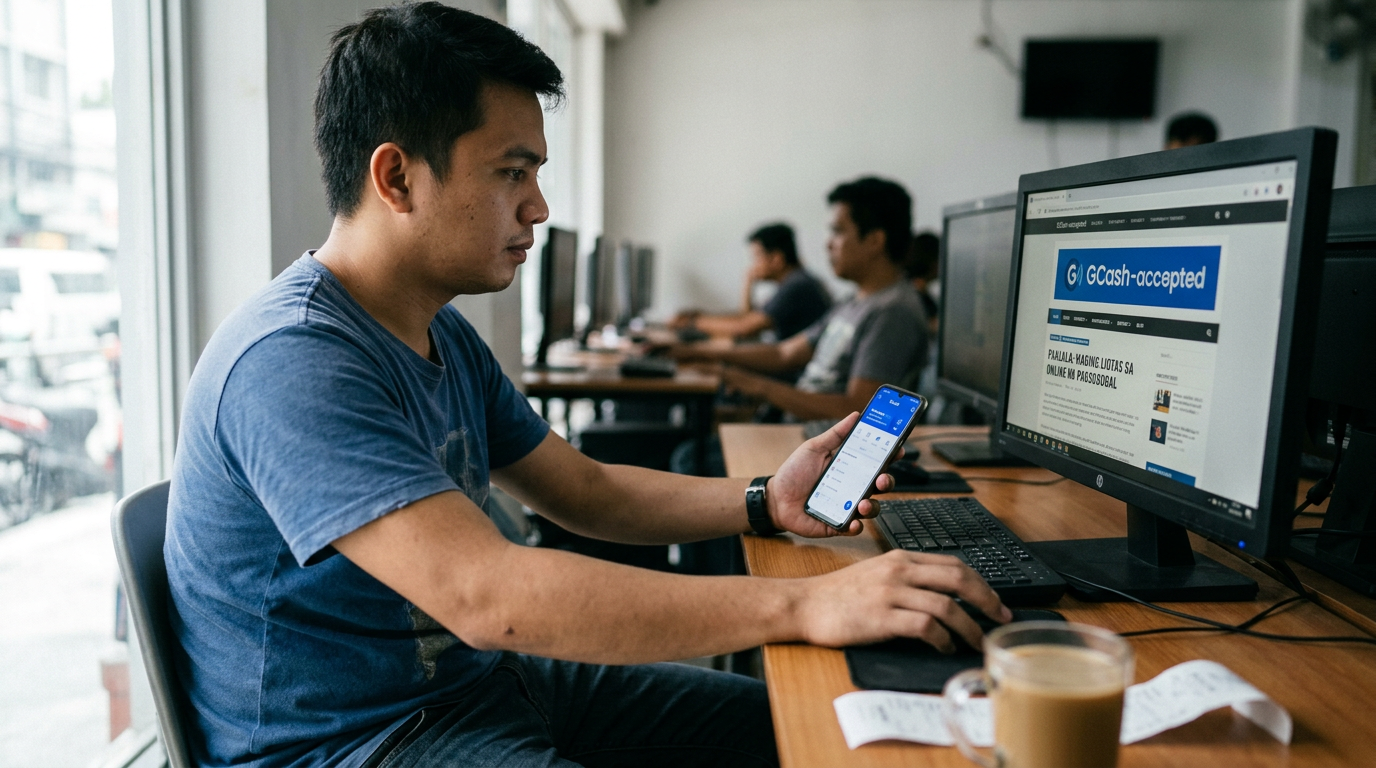
Gambling often starts as harmless fun. Over time, it can quietly take control of your money, relationships, and mental health. Recognizing the warning signs early makes it easier to step back before serious damage occurs.
Chasing Losses and Borrowing to Keep Playing
Chasing losses means betting more to win back what you already lost. People who chase losses often believe the next bet will fix everything. It rarely does.
Common red flags include:
- Increasing bet sizes after a losing streak
- Returning to play the same day to “win it back”
- Borrowing from friends, lending apps, or online lenders to fund bets
For example, a player who loses ₱2,000 may take another ₱5,000 from a loan the same night. As a result, small losses can grow into serious debt.
Hiding Gambling From Loved Ones
Secrecy is one of the clearest signs of a problem. Someone who hides their activity often feels guilt or shame.
Watch for these behaviors:
- Lying about where you spend your time or money
- Deleting transaction history or hiding app notifications
- Becoming defensive when asked about finances
- Missing work or skipping family events without a clear reason
Moreover, hiding losses often leads to isolation. Therefore, the person loses the support they need most.
Using Money Meant for Essentials
Using funds set aside for necessities is a serious warning sign. When bill money disappears into bets, the risk grows quickly.
Examples include:
- Paying bets instead of rent, electricity, or school fees
- Draining savings or emergency funds
- Skipping meals to keep money available for betting
- Feeling anxious until the next payday arrives
Tip: Keep bill money in a separate account. Never place essential funds in a balance you use for play.
Where to Get Help
Recovery is possible, and support is available. In addition, reaching out early leads to better outcomes.
Consider these options:
- Talk to someone you trust. A family member or friend can help you set limits and stay accountable.
- Call the NCMH Crisis Hotline at 1553. This toll-free line connects you with trained mental health professionals.
- Join a peer support group. Gamblers Anonymous meetings bring together people who understand the struggle.
- Use self-exclusion and limit tools. Ask licensed operators about self-exclusion options and deposit or time limits.
If you notice these signs in yourself or someone you love, act today. Early support can prevent a small problem from becoming a crisis.
Protecting Your Sugal GCash Account and Funds
Your GCash account holds your money, so protecting it should be your first priority. Strong habits can stop most account takeovers before they start.
Set Up Your Sugal GCash MPIN and App Lock
Start by creating an MPIN that no one can easily guess. Avoid birthdays, phone numbers, and repeated digits like 111111.
Next, turn on these built-in protections:
- App lock: Require a passcode or biometrics to open the app.
- Two-factor security: Keep verification steps active for logins and transactions.
- Transaction alerts: Get notified instantly after every payment or transfer.
For example, if someone tries to log in from a new phone, a verification step can block them. Review these settings every few months.
Never Share Your OTPs or Account Access
GCash staff will never ask for your OTP, MPIN, or password. Anyone who asks for these details is almost certainly a scammer.
Follow these simple rules:
- Keep your OTP private, even if the caller claims to be from support.
- Do not let others use your phone while you are logged in.
- Refuse screen-sharing requests from strangers.
- Avoid links sent by unknown numbers or messages.
As a result, a scammer without your OTP cannot complete a transfer. Therefore, treat every OTP like a bank card PIN.
Set Spending Limits for Entertainment
Treat entertainment money as a fixed budget. Decide the amount before you open any app. Keep it separate from bills and savings.
Practical steps include:
- Set a weekly cap and stop once you reach it.
- Use a separate fund for entertainment, if your app allows it.
- Never borrow or use loans to fund play.
- Review your transaction history every week.
For example, if your entertainment budget is ₱1,000 per week, you stop at ₱1,000. Moreover, take a break if you feel tempted to exceed it.
What to Do If Your Sugal GCash Account Is Compromised
Act fast when you suspect unauthorized access. Every minute gives the attacker more time to move your money.
- Change your MPIN immediately from a device you trust.
- Contact GCash customer service through the official app or hotline.
- Request a temporary account lock to stop further transactions.
- Record every unauthorized transaction, including dates and amounts.
- Secure your email and linked accounts to prevent further damage.
- Report the incident to the PNP Anti-Cybercrime Group or the NBI Cybercrime Division.
Consequently, quick action improves your chances of recovering funds. Keep screenshots and reference numbers as evidence. However, do not wait to see if the problem resolves itself.
If you decide to explore entertainment options, set your limits first and choose platforms carefully. Explore safe options here
Thank you for reading our guide about sugal gcash.
Frequently Asked Questions
Is Sugal GCash legal in the Philippines?
Betting through GCash is legal only when the platform you use holds a valid license from a recognized Philippine regulator, such as PAGCOR. GCash itself is an e-money service regulated by the Bangko Sentral ng Pilipinas, and it is not a gambling operator. The legal risk comes from the betting site. Any online gambling platform without a valid Philippine license operates illegally, and using it can expose you to financial loss with little recourse. Before depositing money, check the operator’s license number on the regulator’s official website. If the platform cannot show a verifiable license, treat it as unsafe.
How can I tell if a betting site that accepts GCash is licensed?
Start by looking for a clearly displayed license number and the full legal name and address of the company. Then verify both details directly on the official PAGCOR website rather than through links or badges provided by the site itself, since fake logos are common. Be cautious if the site hides its company information, uses a logo that does not match the regulator’s records, or promises guaranteed wins. Also check whether the license covers the exact service you want to use. A license for one type of gaming does not automatically cover others. When in doubt, choose a different platform.
What are the most common scams targeting GCash users who bet online?
Scammers frequently impersonate legitimate betting platforms or GCash support staff to steal login details and one-time passwords. Other common schemes include fake “bonus” offers that require a deposit before withdrawals are released, and sites that ask for extra “verification” or “tax” fees before paying winnings. Some fraudulent apps also collect personal information and then use it for identity theft. Never share your MPIN, OTP, or password with anyone, even someone claiming to be from GCash. Official GCash staff will never ask for these details. If a platform pressures you to deposit quickly, that pressure is itself a red flag.
How can I protect my GCash account and recognize problem gambling?
Protect your account by enabling app security features, keeping your MPIN private, and avoiding public Wi-Fi when making transactions. Set a strict budget for any betting activity and treat it as entertainment spending that you can afford to lose. Watch for warning signs of problem gambling, such as chasing losses, borrowing money to bet, hiding activity from family, or feeling unable to stop. If these signs appear, pause all transactions and seek support. You can also use GCash’s features to monitor spending and consider limiting access to betting sites. Talking openly with a trusted person or a counseling professional can help you regain control early.
Leave a Reply